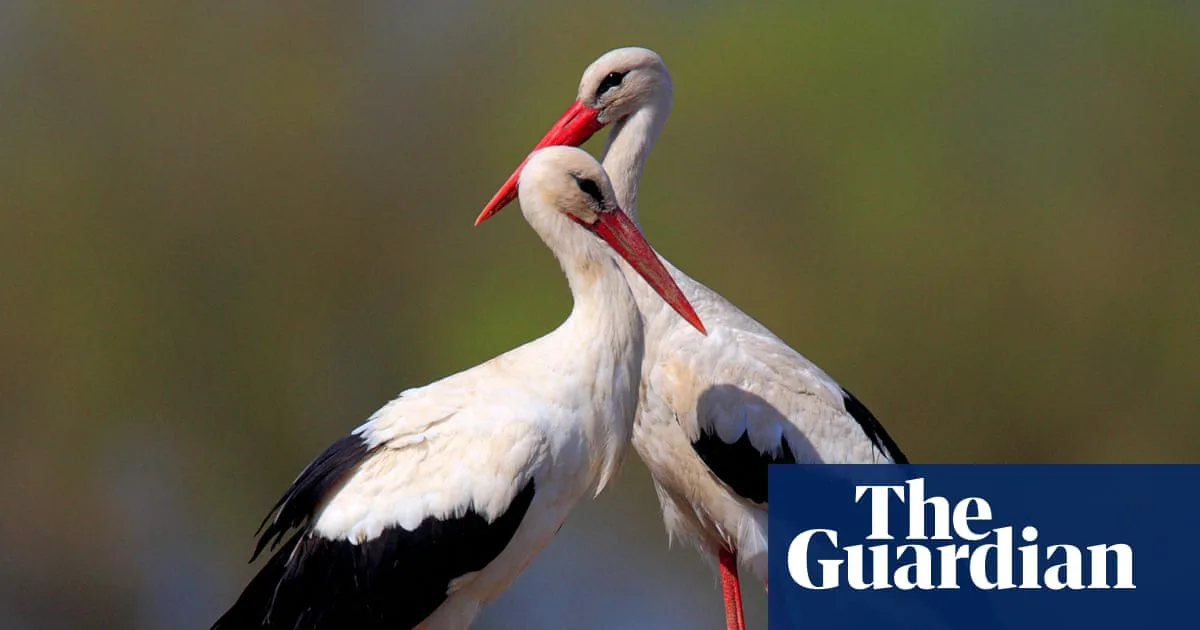
Biebrza National Park in Poland offers a breathtaking display of wildlife, from elks and orchids to eagles and terns. The abundance of species, including white storks, cuckoos, and golden orioles, creates a constant soundtrack of nature. Visitors can even spot a white-tailed eagle hunting greylag geese or watch common cranes meeting a fox, all within minutes from an observation tower.
The park's eponymous river, the Biebrza, meanders through the landscape, forming oxbows and old channels that create a protean waterway. This river feeds the marshes, sustaining the rich biodiversity. Swimming in its peaty waters reveals clarity beneath the dark surface, offering a moment of reflection.
For British visitors, the spectacle is both awe-inspiring and sobering. Many of the familiar species present in Biebrza, such as corncrakes and beavers, were once common in Britain but have been lost due to intensive farming and development. The park serves as a reminder of what the UK has sacrificed for productivity and profit.
However, the experience is not merely depressing but a necessary recalibration. It highlights the potential for restoration and the importance of preserving such ecosystems. Biebrza demonstrates that with proper management, landscapes can support both wildlife and human enjoyment, offering a lesson for conservation efforts in Britain.