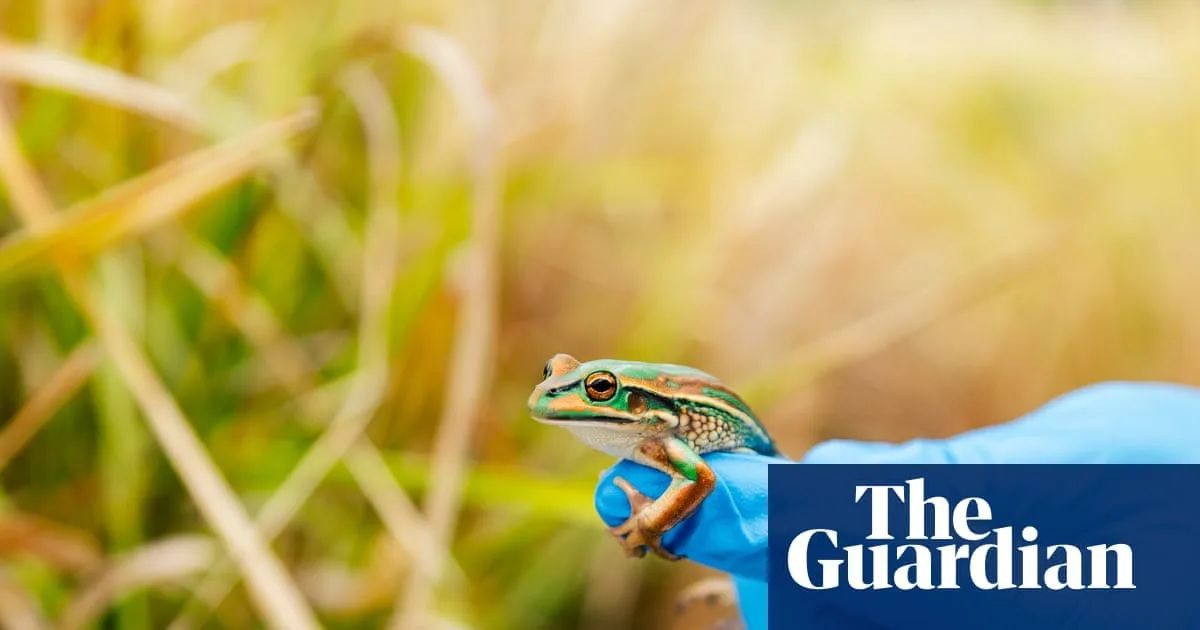
Green and Golden Bell Frogs Recolonise ACT Wetlands After Chytrid Fungus Decline
Bell Frogs Return to ACT Wetlands Post-Chytrid Fungus

In a heartening development for biodiversity conservation, green and golden bell frogs have been observed recolonising wetlands in the Australian Capital Territory (ACT). This resurgence follows a notable decline in the prevalence of the chytrid fungal disease, which has historically decimated amphibian populations across Australia and globally.

A Triumph for Amphibian Conservation Efforts

The return of these vibrant frogs to their native habitats marks a significant ecological milestone. Conservationists and environmental scientists have long monitored the impact of chytridiomycosis, the disease caused by the chytrid fungus, which has driven numerous amphibian species to the brink of extinction. The recent sightings in ACT wetlands suggest that local populations are beginning to recover, potentially due to a combination of natural resistance development and targeted conservation strategies.

Understanding the Chytrid Fungal Threat

Chytrid fungus, scientifically known as Batrachochytrium dendrobatidis, has been one of the most devastating pathogens affecting amphibians worldwide. It attacks the skin of frogs, disrupting their ability to regulate water and electrolyte balance, often leading to fatal consequences. The disease has been particularly severe in Australia, contributing to the decline of over 40 frog species. The green and golden bell frog, once common, saw its numbers plummet dramatically due to this fungal outbreak.

Factors Behind the Frog's Resurgence

Several factors may explain the encouraging return of the green and golden bell frogs to ACT wetlands. Researchers hypothesise that some frog populations are developing genetic resistance to the chytrid fungus over time. Additionally, improved wetland management practices, including habitat restoration and water quality enhancements, have created more favourable conditions for amphibian survival. Climate variations may also play a role, as certain weather patterns can inhibit the fungus's spread.

Ongoing monitoring programmes have been crucial in tracking these changes. Scientists are using environmental DNA (eDNA) sampling and acoustic surveys to detect frog presence without disturbing the delicate ecosystems. These methods have confirmed multiple breeding populations in areas where the frogs were previously thought to be locally extinct.

Implications for Future Conservation Policies

The recovery of the green and golden bell frog offers valuable insights for conservation policy and practice. It underscores the importance of long-term habitat protection and adaptive management approaches. While the reduction in chytrid fungus is a positive sign, experts caution that the threat has not been entirely eliminated. Continued vigilance and research are essential to ensure the sustained recovery of amphibian species.

This development also highlights the resilience of certain ecosystems when given the opportunity to recover. The ACT wetlands, with their restored hydrological regimes and reduced pollution levels, have provided a sanctuary for these frogs to re-establish themselves. Community involvement in conservation efforts, including citizen science projects, has further supported this positive trend.

Looking ahead, conservationists aim to build on this success by expanding protected areas and promoting biodiversity-friendly land use practices. The story of the green and golden bell frog serves as a reminder of the delicate balance within natural systems and the potential for recovery when environmental pressures are alleviated.