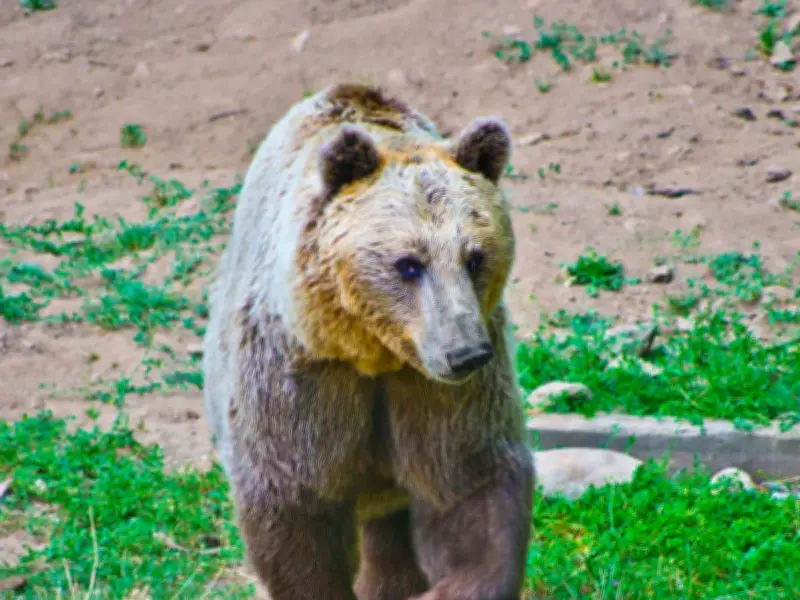
Starving Bear Terrorizes Japanese Village
In 1915, a starving brown bear terrorized the remote village of Sankebetsu in northern Japan, killing five people in a series of attacks that culminated in the bear crashing the funeral of its first victim. The incidents, which occurred amid heavy snow and scarce food, stand out as some of the most unusual examples of predatory animal behavior ever recorded.
The First Attack
The bear was first seen attacking a woman tending to chores outside her home. The attack was quick and within close quarters. After the killing, the bear retreated into the forest. Villagers assumed the woman had startled the animal, and no effort was made to hunt or track the bear. This lack of response likely taught the bear that attacking humans had no consequences, according to analysis in Black Beasts and Boogey Men.
Funeral Attack and Subsequent Killings
The bear grew bolder, entering homes and learning its surroundings. It attended the funeral of its first victim, drawn by the food spread at the wake, and killed mourners gathered there. In one night, multiple people were killed in separate attacks. By the time the bear was stopped, five lives had been lost, several within hours of one another.
Delay in Response
After these killings, the bear did not flee, returning without consequence. Some villagers believed it could not be a single bear responsible for all the deaths, stalling the hunt. Eventually, a group of hunters found and killed the bear—a large male that had clearly been starving. After its death, all attacks ceased.
Legacy and Modern Context
Brown bears still live in Hokkaido today, dwelling in forests and mountain ranges, with some populations stable or recovering after decades of decline. The region where Sankebetsu once stood is now empty, and no further bear attacks have occurred there. In 2025, Japan recorded 13 human fatalities and over 100 injuries from bear encounters involving both Asiatic brown bears and Asiatic black bears. These incidents were triggered by reduced natural food availability, environmental changes, and human encroachment on bear habitats.