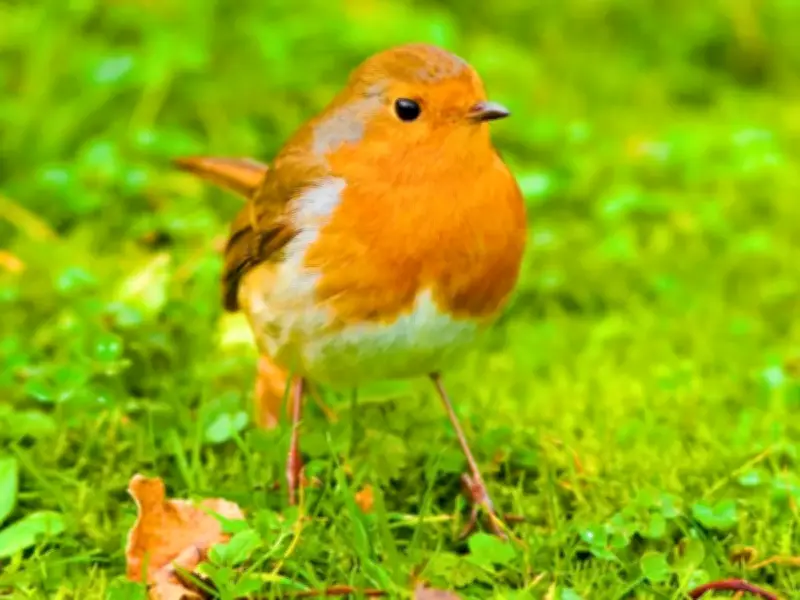
Robins often ignore standard bird seed mixes because the seeds are too large for their small beaks, but planting a shrub called spindle offers a more effective way to attract them and keep them fed through the colder months.
Why spindle works for robins
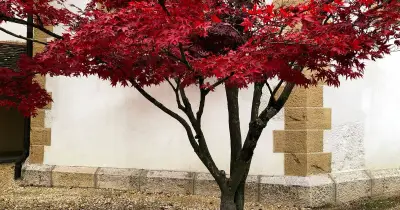
Spindle is a robust shrub that grows naturally across the UK and is particularly striking in autumn, when its foliage turns vivid red and its fruit splits open to reveal bright orange seeds. It ranks among the finest plants for attracting robins, which peck at its small pink fruit to reach the seeds inside.
The plant also draws insects such as worms and caterpillars, which robins readily eat. In addition, spindle provides a convenient perching spot, and robins are equally fond of nesting within it because the plant maintains dense growth even during winter when other shrubs are stripped bare.
Andy from Turf Express said: "By planting some spindle you are providing robins with natural food sources from both the berries and the insects and invertebrates that are attracted to spindle."
Planting and other food options
Spindle is a relatively undemanding plant that is straightforward to maintain, provided it is planted in well-drained soil in an open, sunny spot in the garden. It typically costs under £20, and late autumn is an ideal time to plant it while the ground remains warm enough for it to take root and become established.
Robins require a high calorie intake in autumn to build up body weight for colder temperatures. Suet cakes, which are fat balls blended with grains and fruit, are packed with energy and can be put out in autumn as they will not melt. Mealworms are also rich in protein and provide robins with the energy they need.
Feeding tips for robins
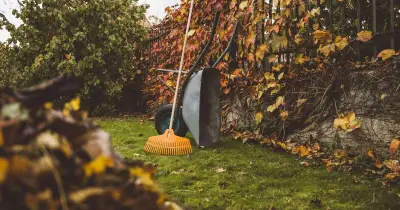
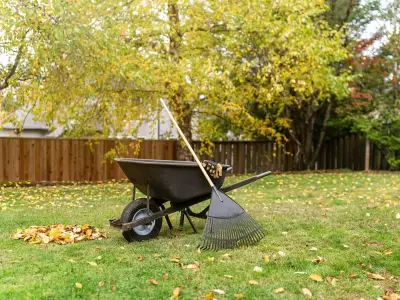
Robins tend to prefer feeding from open-fronted boxes positioned in a sheltered part of the garden, so covering a bird feeder with a climbing plant can help keep it out of sight. Leaving fallen leaves on the ground can also draw in more insects, which in turn will entice robins to return throughout the autumn months.