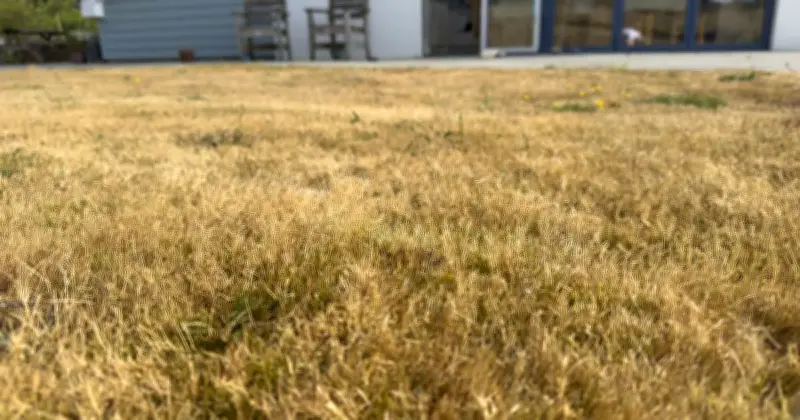
Drought has officially been declared in seven parts of the United Kingdom following a period of hot, dry weather. Alongside this, more than 20 million households are currently subject to hosepipe bans, with fines of up to £1,000 for anyone who violates the restrictions.
Helen Wakeham, director of water at the Environment Agency and chair of the National Drought Group, said: “The hot and dry weather means we are currently using water faster than nature can replenish it. A second consecutive summer drought is an exceptionally serious situation and one that will have long-lasting impacts on our environment, wildlife, and the economy.”
Where drought has been declared
The seven areas officially in drought are:

- East Anglia
- Hertfordshire and all of London
- Thames Valley
- Hampshire and the Isle of Wight
- Devon and Cornwall
- The West Midlands
- Wessex (Dorset, Somerset, Wiltshire and south Gloucestershire)
Water companies with hosepipe bans
The following water authorities have hosepipe bans in force:
- Affinity Water
- Anglian Water
- Cambridge Water
- Southern Water
- South East Water
- Thames Water
How to water your garden during a hosepipe ban
If you are one of the millions of households affected, the first thing to do is check with your water company to see what exemptions are available and familiarise yourself with the exact details of what is permitted.
The easiest way to keep your garden watered during a hosepipe ban is to use a watering can filled from the tap. While it may be time-consuming, it will allow you to keep your garden alive during the hot summer.
Another option is an irrigation system fitted with a pressure-reducing valve and a timer. You can also use a hose that is not sourced from the mains, for example one attached to grey water. Grey water is the leftover water from washing clothes, or rainwater from a water butt.
Collecting rainwater is also permitted. If rain is forecast, put out containers to catch the downpour and save it for watering the garden later.