Researchers from the University of Cape Town have turned the polluted Stiebeuel River in South Africa into a resource clean enough for irrigation using only stones, heat-treated wood and sand. The system, set up in the informal settlement of Langrug near Stellenbosch, treats 36,000 litres of water daily without chemicals and using renewable energy.
Nature-based filtration system
The water, polluted by sewage, chemicals, and traces of drugs and medication, is filtered through a network of cells built in an abandoned wastewater site. Large stones trap particles and chemicals, a layer of biochar filters out drugs and pharmaceutical waste, and smaller stones and sand absorb remaining toxins.
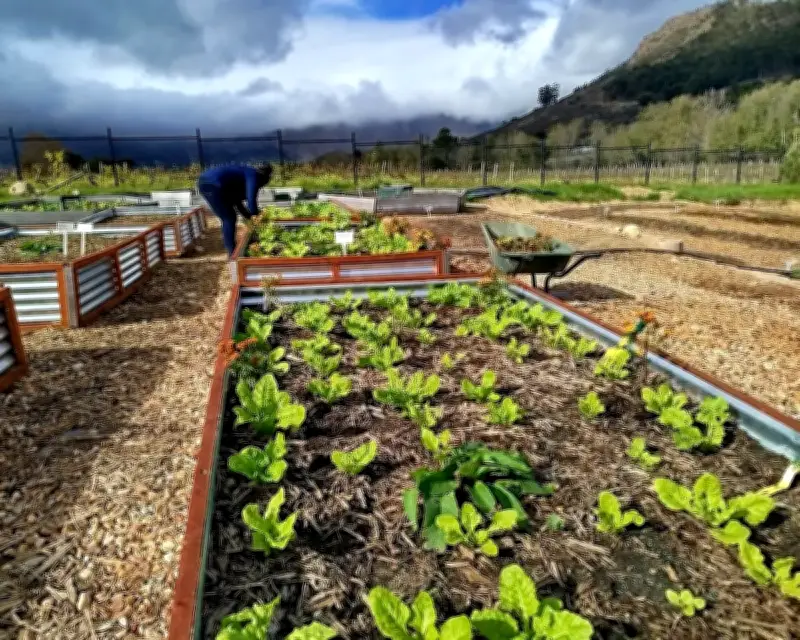
The system removes about 99% of toxins before most of the water is released back into the river to feed surrounding ecosystems. Around 3,000 litres is held back to irrigate food-producing gardens at the Water Hub.

Addressing food security in a warming climate
Kevin Winter, one of the researchers behind the project, says the treated water is now used for growing vegetables and feeding hungry children and people in the informal settlement. He notes the system is not designed to replace conventional plants but provides clean water for rural communities.
Established in 2018, the project has only this year succeeded in reducing bacteria and pathogens to a level that allows the water to be used for irrigation, though not for drinking. Winter says the system could be a model for ensuring food security in the climate crisis, as the region faces prolonged droughts and water scarcity.