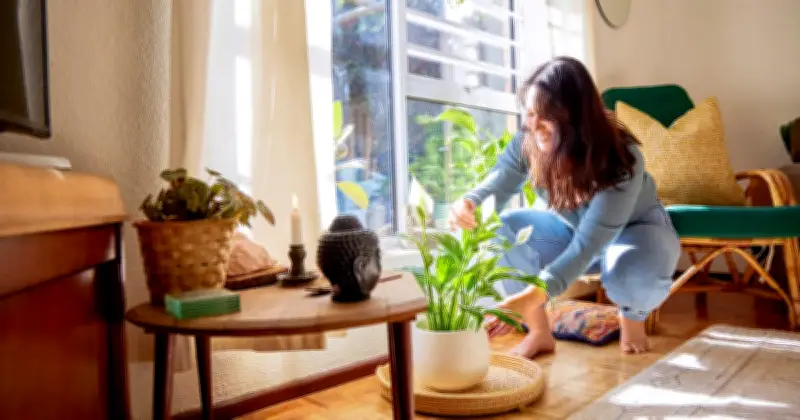
Peace lilies will produce more flowers and stay healthier if they are moved away from windowsills to a more humid spot in the home, according to horticultural specialist Craig Wilson, founder of Gardeners Dream. The simple relocation takes about 10 seconds and helps the plant mirror its natural tropical habitat.
Why windowsills harm peace lilies
While many people place plants beside windows for light, peace lilies are delicate and excessive sunlight can scorch their foliage, causing blooms to turn brown and droop. Wilson advises moving them to a moisture-rich location instead.
“Peace lilies need watering, but not nearly as much as you might expect,” Wilson said. “Normally, it is best to water your peace lily every few days, with the plant even being tolerant to being watered less often if it is kept somewhere humid in the house like the bathroom.”

Best rooms for peace lilies
Peace lilies originate from tropical climates where they grow on jungle floors, drawing moisture from the warm, humid air. For this reason, a corner of the bathroom or kitchen—where warm vapour helps keep them nourished—is more suitable.
In their native environment, peace lilies receive dappled, soft sunlight filtered through large tree canopies, so it is optimal to place them close to, but not directly beside, a window. Wilson explained: “It is best not to leave peace lilies by external doors or windows because the plants don't do well in exposed conditions.”
Encouraging more blooms
Excessive direct sunlight or dry air can stop a peace lily from producing blooms, so relocating it to a spot that mirrors its natural habitat encourages flowering. If there is no space in the bathroom or kitchen, regularly occupied rooms also provide sufficient humidity, as people emit small amounts of water vapour when breathing.
A peace lily can therefore thrive in a bedroom or living room. Where possible, choose an area with plenty of morning light, as peace lilies prefer the softer glow over intense afternoon sun. Rooms with east-facing windows typically receive the most natural light in the morning, making them generally the ideal spot. Taking a brief moment to move the plant to a more suitable location makes additional, longer-lasting blooms far more likely.