Oslo Crowned World's Greenest City with Bee Highways and Urban Parks
Oslo Named World's Greenest City with Bee Highways

When imagining urban environments, many picture towering skyscrapers and vast expanses of concrete. Yet, a remarkable European capital shatters this grey stereotype, offering a lush, verdant alternative that has earned it a prestigious global title.

Oslo Tops the Green City Index

Travel specialists at Iglu Cruise have conducted comprehensive research to identify the world's greenest city. Their study, known as the Green City Index, evaluated urban centres across the globe based on critical environmental metrics. These included the percentage of greenery, accessibility of outdoor spaces, and overall air quality.

Oslo, the capital of Norway, emerged victorious with an outstanding overall rating of 77.3 out of 100. This score reflects the city's exceptional commitment to integrating nature into its urban fabric, setting a benchmark for sustainable living.

Unparalleled Access to Green Spaces

A key factor in Oslo's top ranking is its remarkable accessibility to parks and green areas. An impressive 95% of the city's residents live within a mere 300-metre walk of a green space. This statistic not only highlights Oslo's pedestrian-friendly design but also ensures that nature is never far from anyone's doorstep.

The city features an array of green oases, from innovative 'pocket parks' to expansive public gardens. These pocket parks are particularly noteworthy, as they represent former parking spots that have been creatively transformed by local volunteers into vibrant, green retreats within densely developed neighbourhoods.

Major Parks and Cultural Attractions

Oslo is also home to several larger, well-known parks that attract both locals and tourists alike. The Royal Palace Park offers a serene escape in the heart of the city, while Vigeland Park draws considerable crowds with its unique artistic installations.

Vigeland Park is especially significant as it houses the world's largest sculpture park created by a single artist, adding a cultural dimension to Oslo's green credentials. These spaces provide not only recreational opportunities but also contribute to the city's aesthetic and environmental health.

Beyond the City: Natural Escapes

The green experience in Oslo extends far beyond its urban boundaries. A simple 20-minute train journey transports residents and visitors from the city centre into the expansive Oslomarka forest. This natural haven features breathtaking walking routes that encircle the picturesque Sognsvann Lake, offering a quick and easy retreat into wilderness.

This proximity to larger natural landscapes enhances Oslo's appeal, allowing for seamless transitions between urban and rural environments, which is a rarity in many major capitals.

Innovative Environmental Initiatives

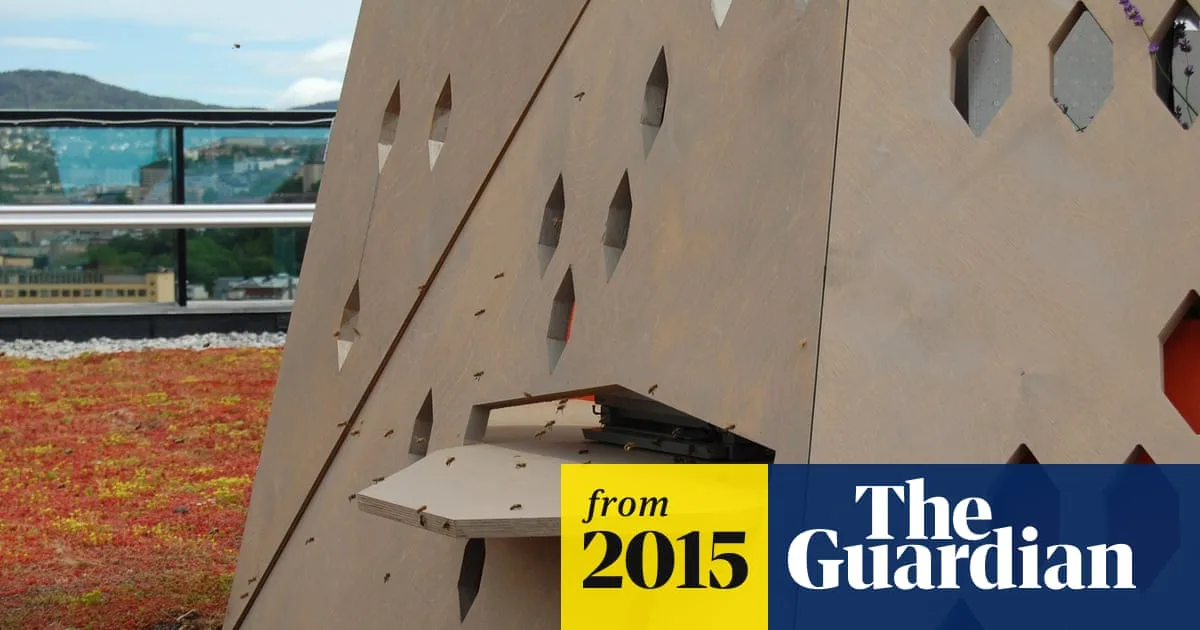
Oslo's commitment to sustainability goes beyond traditional parks and forests. The city has pioneered the world's first 'bee highway', a groundbreaking initiative designed to support pollinators. This pathway is lined with native blooms and specially designed bee accommodations, stretching across city streets to encourage insects to thrive in the urban setting.

This innovative project underscores Oslo's holistic approach to environmental stewardship, ensuring that the city is a haven not just for humans, but for vital wildlife as well.

Exceptional Air Quality and Overall Benefits

In addition to its abundant greenery, Oslo boasts exceptional air quality, a critical component of the Green City Index. This combination of accessible parks, clean air, and innovative environmental projects makes Oslo a model for sustainable urban living.

The city's achievements demonstrate how urban centres can prioritise nature, health, and community well-being, offering a blueprint for other cities aiming to enhance their green credentials. With its blend of natural beauty and forward-thinking initiatives, Oslo truly deserves its title as the world's greenest city.




