As spring arrives with its warmer temperatures and increased sunlight, it also brings a surge of unwelcome insects like flies and ants into our homes. These pests can become a persistent nuisance if not addressed promptly, with ants quickly establishing scent trails to food sources and flies seeking dark, damp areas to lay eggs that can lead to infestations lasting months.
The Problem with Traditional Chemical Sprays
Many homeowners instinctively reach for chemical insect repellents from supermarkets, but experts at Pale Horse Pest Control advise that these harsh products are often unnecessary. Instead, they recommend a far simpler, natural approach using common household items that are both effective and environmentally friendly.
Why Vinegar Works So Effectively
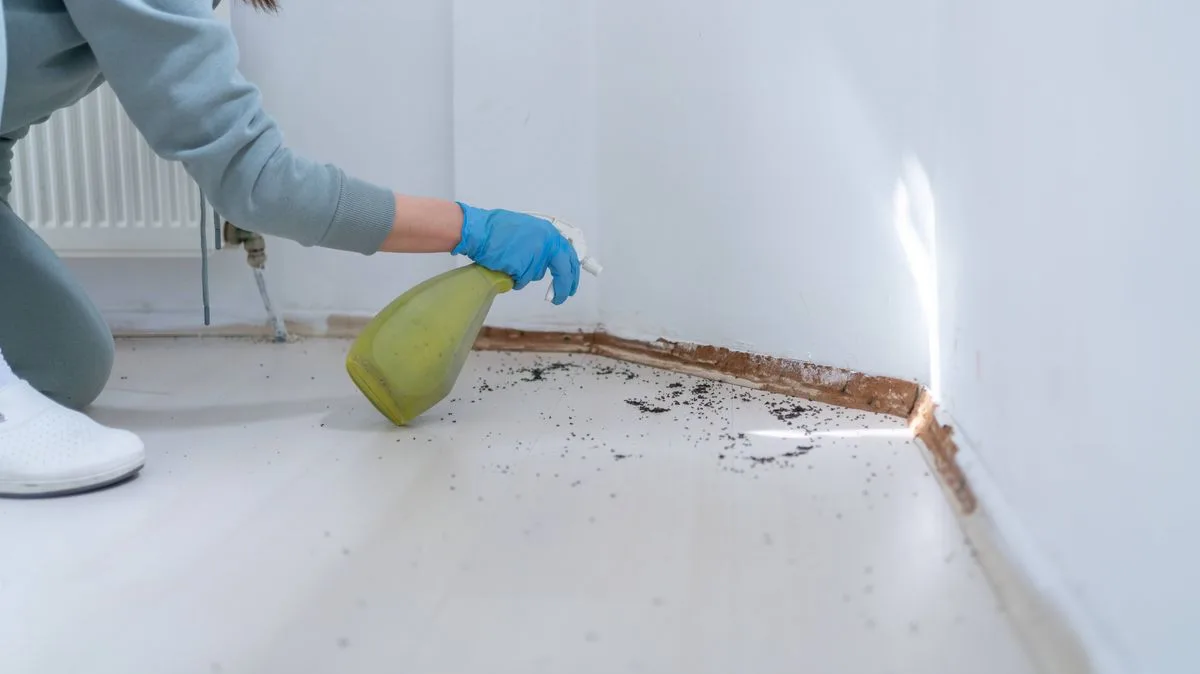
White vinegar emerges as a particularly powerful weapon against household pests. When mixed equally with water in a spray bottle and applied to affected areas, its pungent aroma creates an environment that flies and ants absolutely detest. Both insects rely heavily on their sense of smell to locate food, and vinegar's strong scent overwhelms their olfactory systems, making your home far less attractive to them.
Essential Oils That Enhance Protection
Beyond vinegar, several essential oils can significantly boost your natural pest control efforts. Neem oil, lemon oil, eucalyptus oil, and mint oil all possess strong fragrances that insects find particularly unpleasant. These can be used independently or blended with vinegar solutions for enhanced effectiveness.
For ants specifically, coffee grounds and cinnamon prove especially disruptive as they interfere with the pheromone trails ants use to communicate food locations to their colonies. Flies, meanwhile, show particular aversion to basil, mint, lavender, and similar herbs, making these excellent additions to your natural repellent arsenal.
Creating Your Multi-Layered Defense System
The most effective approach involves combining several natural repellents to determine which works best for your specific property. Experiment with different essential oil combinations alongside your vinegar spray, and consider cultivating herb plants near windows as an additional deterrent.
However, experts emphasize that while natural scents can discourage insects, the most crucial step remains making your home fundamentally less attractive to pests. This involves comprehensive cleanliness measures including:
- Promptly cleaning up any food crumbs or spills
- Emptying bins daily to eliminate food odors
- Regularly cleaning drains where flies might breed
- Storing all cupboard food in sealed, airtight containers
Understanding Insect Behavior for Better Prevention
Ants operate through sophisticated communication systems, leaving scent trails that guide entire colonies to food sources once discovered. This makes early intervention critical, as established trails become increasingly difficult to eliminate. Flies employ different strategies, often entering homes specifically to lay eggs in dark, moist environments where their larvae can develop undisturbed for extended periods.
By combining natural repellent sprays with thorough cleanliness practices, homeowners can create an effective barrier against these common summer pests without resorting to harsh chemicals. This approach not only protects your living space but does so in an environmentally conscious manner that's safe for both humans and pets.






