
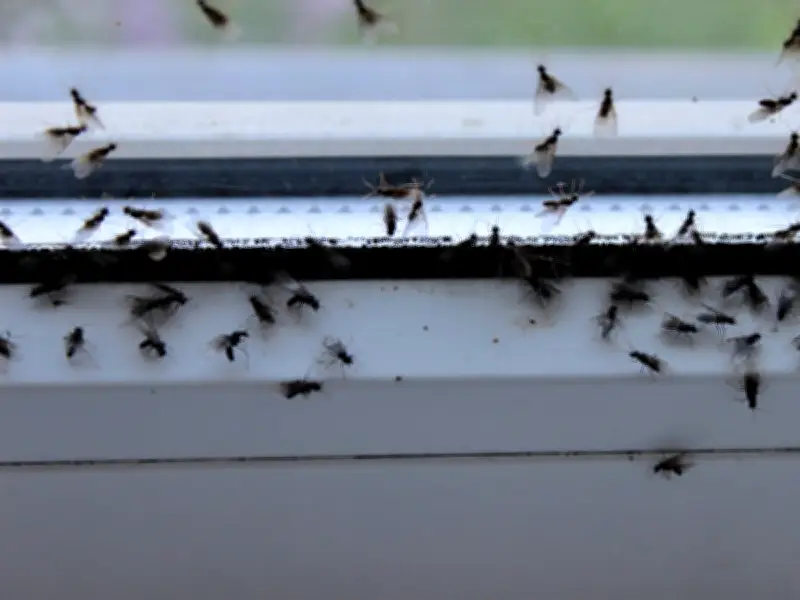
A cleaning enthusiast has shared a natural DIY fly repellent using just four ingredients that could help keep flies away from your home this summer. The method, revealed by TikTok creator Anna Louisa, known online as Anna Louisa at Home, uses lemon, rosemary, cloves, and lemongrass essential oil.
How to Make the Repellent
Fill a saucepan roughly halfway with water. Slice one lemon and add it to the pan, along with 10 to 20 cloves, one to two sprigs of rosemary, and 10 to 20 drops of lemongrass essential oil.
Place the saucepan on the hob and heat until the water reaches a gentle simmer. Once it begins to bubble and produce steam, leave the mixture to simmer for a couple of hours, allowing the fragrant scent to drift through the air.
Tips for Longer Use
Anna Louisa explained that you can top up the water in the pot whenever necessary. Should you wish to use this method over a longer period, she recommends refreshing the water and remaining ingredients every couple of days, as the scent will otherwise begin to diminish.
The mixture can also be decanted into a spray bottle if you wish to use it throughout other rooms in the home. Simply apply the DIY repellent to entry points and anywhere flies tend to gather, such as doorframes and windowsills.
Why It Works
Using lemon helps to disrupt a fly's senses. Lemons carry a powerful, pungent citrus aroma from oils such as limonene, which flies find deeply off-putting. All of the ingredients possess potent aromas that will only further disorient flies. Lemon functions particularly well as a natural repellent owing to flies' well-known aversion to citrus.
Lemongrass operates in much the same way. Its robust citrus aroma, combined with active compounds such as citral and citronella, interferes with flies' chemical receptors and conceals the pheromone trails they rely upon to navigate and locate food.
The same principle holds true for rosemary. Its strong, woody fragrance acts as a deterrent, as it contains potent aromatic essential oils including camphor, eucalyptol and cineole, which overwhelm flies' sensory receptors and mask the appealing food odours emanating from the kitchen.
Likewise, flies are repelled by cloves due to the presence of eugenol, a powerful chemical compound with an intense, sharp scent that interferes with their scent trails, overpowers their nervous systems, and functions as a natural toxin or deterrent. This operates in much the same way as cinnamon.
Care must be taken when making your own ant repellent, as selecting inappropriate ingredients could inadvertently produce the reverse effect and draw flies in instead.




