
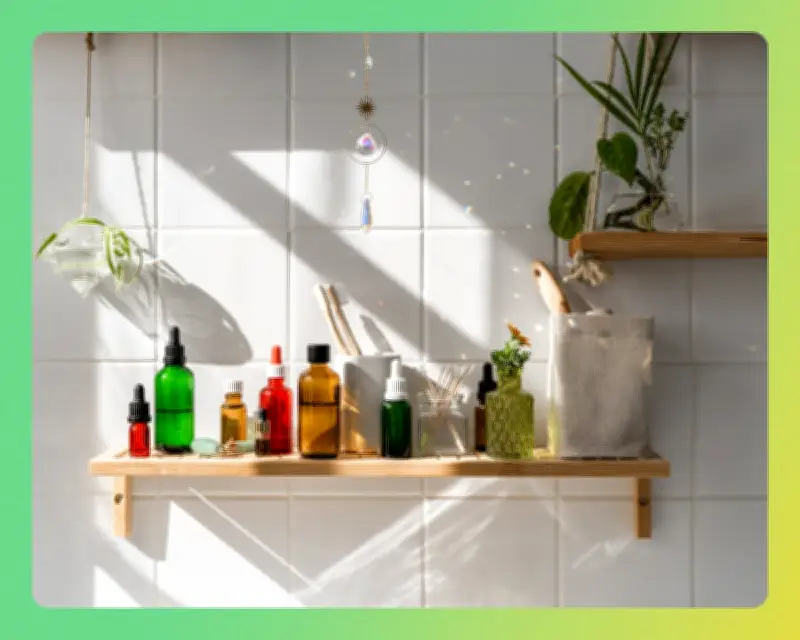
How to Make Your Bathroom More Sustainable
Transforming your bathroom into an eco-friendly space is easier than you think. With a few simple changes, you can reduce water consumption, minimize waste, and choose products that are kinder to the planet. Here’s a comprehensive guide to creating a sustainable bathroom.
Water Conservation
Water is one of our most precious resources, and bathrooms account for a significant portion of household water use. Start by installing low-flow showerheads and faucets, which can reduce water usage by up to 50% without sacrificing performance. Consider a dual-flush toilet that lets you choose between a full or partial flush, saving gallons of water each day. Fix any leaks promptly—a dripping tap can waste thousands of litres a year.
Eco-Friendly Products
Switch to biodegradable, non-toxic cleaning products. Many conventional cleaners contain harsh chemicals that harm aquatic life when washed down the drain. Look for plant-based alternatives or make your own using vinegar, baking soda, and essential oils. Choose toilet paper made from recycled materials or bamboo, which grows quickly and requires less water than traditional trees. Similarly, opt for organic cotton towels and bath mats, produced without synthetic pesticides.
Reduce Plastic Waste
Bathrooms are notorious for plastic packaging. Replace liquid soap and shampoo bottles with solid bars that come in paper or cardboard wrapping. Use a safety razor instead of disposable ones, and choose bamboo toothbrushes over plastic. Refillable containers are also a great option—many stores now offer bulk refills for shampoo, conditioner, and body wash. Avoid products containing microbeads, which are tiny plastic particles that pollute oceans.
Energy Efficiency
Reduce your bathroom's energy footprint by switching to LED lighting, which uses up to 80% less energy than incandescent bulbs. Install a ventilation fan with a timer to remove moisture efficiently without running longer than needed. If you have an electric water heater, insulate it and set the temperature to 120°F (49°C) to save energy. Consider a tankless water heater for on-demand hot water.
Sustainable Materials
If you’re renovating, choose sustainable materials. For flooring, consider cork or bamboo, which are renewable and durable. Use recycled glass or ceramic tiles for walls. For countertops, opt for recycled materials or sustainably harvested wood. Low-VOC paints and sealants improve indoor air quality and are better for the environment.
Waste Reduction
Set up a small recycling bin in your bathroom for paper, plastic, and glass. Compost organic waste like cotton balls and bamboo toothbrushes if they are made from natural materials. Donate unused, unopened products to shelters or community centers. Avoid single-use items like cotton pads; instead, use washable cloth rounds.
Mindful Habits
Small daily habits add up. Turn off the tap while brushing your teeth or shaving. Take shorter showers—aim for 5 minutes or less. Use a shower timer as a reminder. When buying new products, research brands that prioritize sustainability and ethical practices. Every choice matters.
By implementing these changes, you can create a bathroom that is not only stylish and functional but also environmentally responsible. Start small, and gradually incorporate more sustainable practices. Your planet will thank you.




