
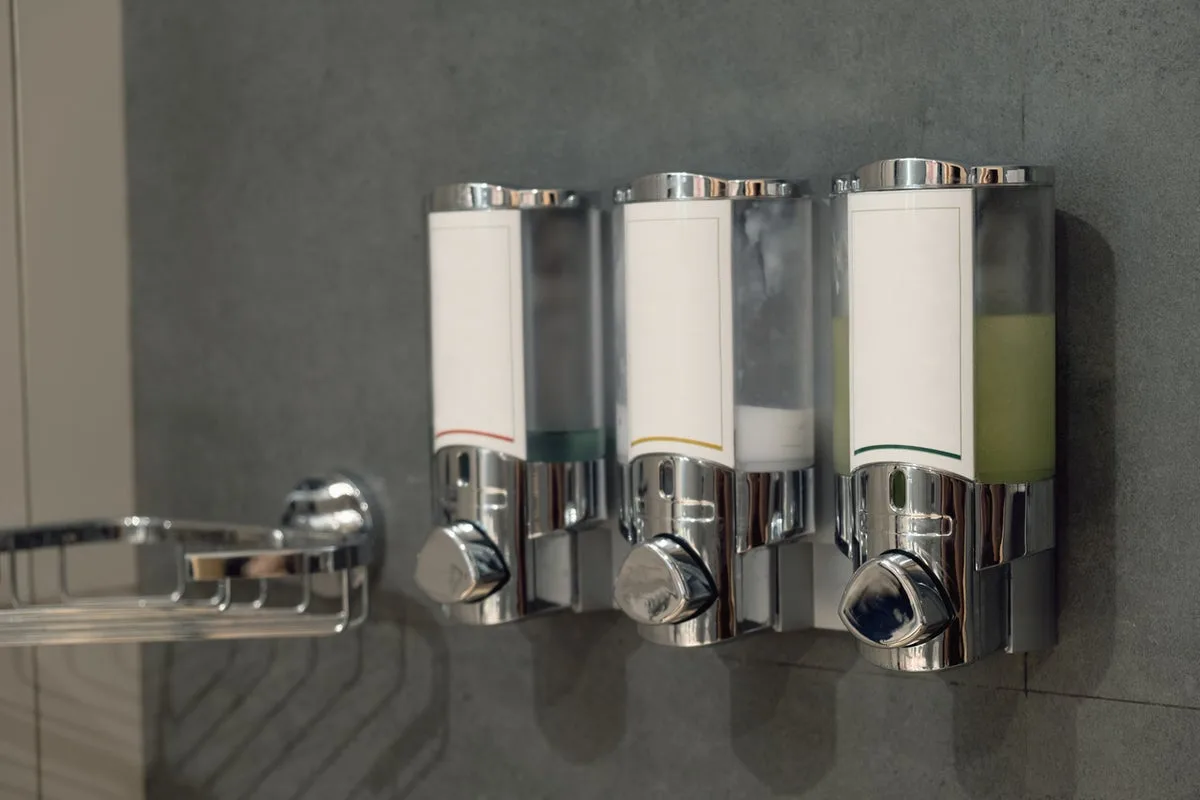
Refillable toiletry dispensers in hotels, hailed as a greener alternative to single-use mini bottles, may offer only marginal environmental benefits, according to experts. While several US states have banned mini toiletries and major hotel chains like InterContinental and Marriott have pledged to switch to refillable systems, scientists argue that the move barely addresses the industry's biggest sustainability challenges.
Assistant Professor Daniel B. Gingerich from Ohio State University's Sustainability Institute said the reduction in landfill waste from eliminating mini bottles is overstated. Globally, around three billion metric tonnes of municipal solid waste are generated each year, and food waste from hotels likely has a larger impact on landfills than toiletries. He also noted that many used bottles are recycled or processed for energy recovery, depending on local infrastructure.
The carbon footprint benefit is also minimal. Gingerich estimated that switching to refillables saves about 10 grams of CO2 per guest night, compared to a hotel stay's overall climate footprint of 10-30kg of CO2, mostly from energy use. George Curtis of the Carbon Neutral Group agreed that energy use and food waste are far more pressing sustainability issues for hotels than toiletries.
Gingerich further questioned whether toiletries are the most important single-use plastic to target, suggesting that other areas may yield greater environmental returns. Despite the industry's push, the experts urge a more balanced perspective on the actual impact of refillable dispensers.




