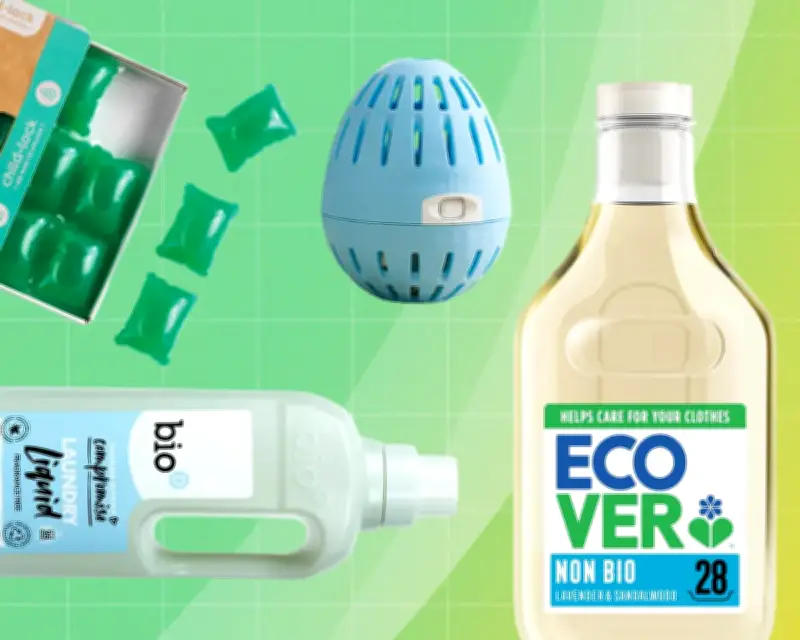
After weeks of testing 11 eco-friendly laundry detergents, Smol Bio capsules emerged as the best overall, praised for excellent cleaning power and strong eco credentials, while Ecoegg offered the best value and Ecover impressed with its fragrance.
The test, carried out by a features journalist with three decades of experience, involved running a washing machine twice a day for three weeks, processing more than 100kg of laundry in 22 loads of about 5kg each.
How the detergents were tested
Each detergent was used to wash two sets of laundry in a standard front-loading Beko washing machine. One load was 2kg of clothes, including sweaty running kit, underwear and coloured T-shirts, washed at 20C. The larger 4kg load was washed at 40C and contained white items, including a duvet cover and a large white towel used for stain tests.

The towel was daubed with liquid foundation, tomato ketchup, cat food, garden mud and a squashed raspberry, with the marks photographed before and after washing to compare stain removal. Fragrance was assessed by smelling each load fresh from the machine, when dry, and again after a few days. Price per wash for a small load was calculated, with extra credit for detergents that never needed a double dose.
The winners
Smol Bio capsules, priced at £6 for 24, were the only detergent in the test to remove any trace of ground-in mud in the 40C stain test, and clothes emerged “outstandingly bright and clean” from the 20C load. The brand is B Corp certified, uses a concentrated formula, and its fragrance is created using what it claims are ethically sourced essential oils including orange, pine, elemi, lavender and patchouli.
Ecoegg’s laundry egg, which costs £9.99 for 70 washes, works out at 14p a wash. It cleaned underwear, de-stinked running kit and left sheets soft and fresh, but was not powerful enough to remove stubborn stains in one wash in a hard-water area.
Ecover’s non-bio laundry liquid, priced from £7.35 for 1.43l, produced the most impressive suds of all the detergents tested despite hard water, rinsed away completely, and removed mud, cat food and ketchup, although raspberry and makeup left shadowy marks. Its lavender and sandalwood fragrance was the tester’s favourite in the whole test.
Other notable products
Bio-D’s fragrance-free liquid, accredited by Allergy UK, cleaned running kit well even at 20C and left fabrics smelling fresh, but struggled with stubborn stains. Ineos performed well on stains and left running kit smelling good, but its fragrance did not last beyond a day.
Method, Ecover’s sister product, made an excellent attempt at removing a raspberry stain in a single 40C cycle, but contains ingredients including laureth-7, sulphates and optical brighteners. Miniml’s formula is 99%+ plant-based and gentle on skin, but could not rescue a stained towel.
Faith in Nature, B Corp certified, smelled delicious and left clothes soft and bright, but could not remove makeup and raspberry stains. Eat Dirt, a newcomer, boasts beautiful packaging and a recyclable tin, but is expensive at £24.75 for 1l.
Nimble Cares laundry sheets are light and easy to use but pricey and not particularly powerful, while Dr Beckmann’s Magic Leaves performed well on mud but rely on standard synthetic ingredients.
What to look for in a sustainable detergent
Ross Osborne, sustainability director at cleaning supplies company Jangro, said: “I don’t think any detergent can ever be completely sustainable, because there will always be an environmental impact somewhere along the line. The more honest question is whether one detergent is more sustainable than another.”
Lauren Hill, product manager at appliance manufacturer Haier, said: “Detergents designed for lower temperatures reduce the energy used during the washing cycle. Also consider concentrated formulas that contain less water and require smaller packaging, which reduces transport emissions.”
The leftover detergents from the test were donated to Yellow Door, a local domestic abuse refuge.