Brown toilet stains, caused by limescale from hard water minerals, can be removed naturally and cheaply with citric acid. Cleaning and sustainability expert Wendy Graham recommends using citric acid to dissolve the deposits that standard bleach products only hide.
Why bleach fails on limescale
Limescale forms when minerals like calcium, magnesium, and iron remain after toilet water evaporates. These crusty brown deposits accumulate over time and resist scrubbing with a toilet brush. According to Wendy Graham, "bleach doesn't remove limescale". Writing on her blog Moral Fibres, she explained: "All it does is bleach it white, so it is harder to see. For a really clean toilet, you want to remove that limescale. To do that naturally and effectively, using citric acid."
How to apply citric acid
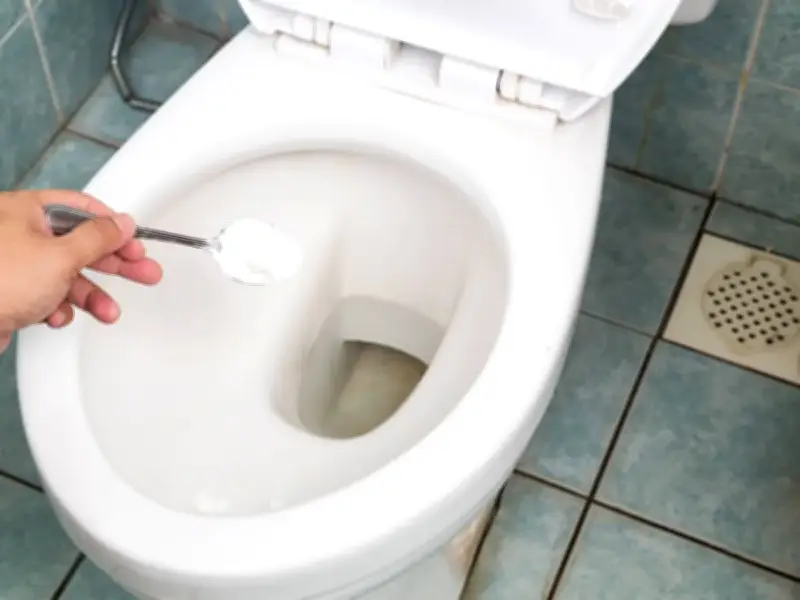
Pour a full kettle of hot water into the toilet bowl, ensuring it is not boiling to avoid cracking the porcelain. Wearing rubber gloves, add roughly 125g of citric acid to the bowl; precise measurement is unnecessary. Leave the solution to soak without flushing for at least one hour. After soaking, flush and use your usual toilet cleaner and brush to lift away remaining deposits.
Wendy urged: "Make sure you flush the toilet before adding your toilet cleaner, especially if it is bleach-based. Citric acid must never be mixed with bleach." Heavily stained toilets may require a second application.
Weekly maintenance and alternative method
To prevent brown limescale marks from returning, repeat the citric acid cleaning every one to two weeks. Cleaning author Nancy Birtwhistle also champions citric acid, describing it as "magic". Her method uses 250g of citric acid combined with tea tree oil for freshness and germ elimination.