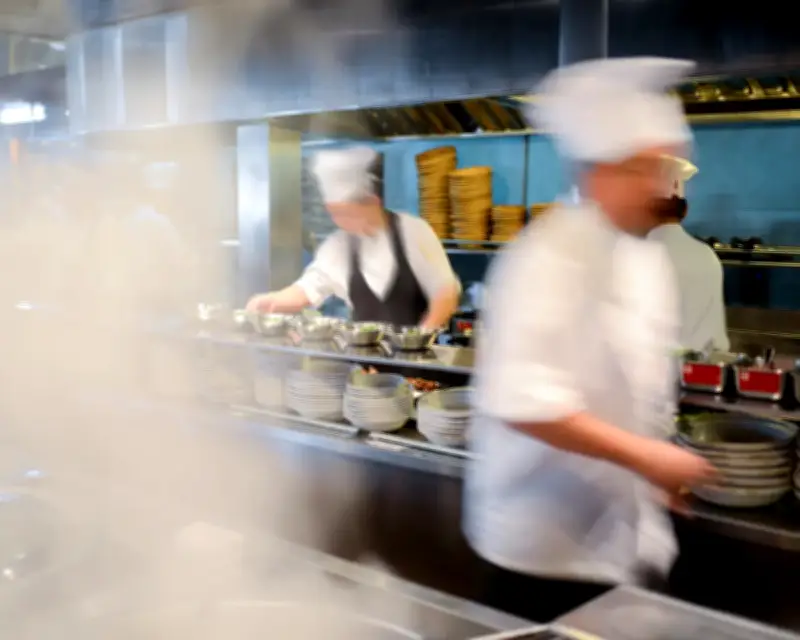
Restaurant chefs are increasingly turning down the heat on gas stoves and switching to electric induction hobs, a move driven by the need to cut carbon emissions and improve air quality in commercial kitchens. The shift is part of a broader trend in the hospitality industry to embrace cleaner cooking technology.
Why Chefs Are Making the Switch
Induction hobs use electromagnetic energy to heat pans directly, which is more energy-efficient than gas flames that lose heat to the surrounding air. Chefs report that induction offers precise temperature control and faster heating, making it attractive for high-pressure cooking environments.
Several high-profile restaurants have already made the transition, citing both environmental and operational benefits. The change also eliminates the need for gas lines and ventilation systems, reducing maintenance costs and improving safety.

Impact on the Industry
The move away from gas is expected to accelerate as more cities and countries introduce regulations to phase out fossil fuels in buildings. For chefs, the transition requires adapting techniques and investing in new equipment, but many say the benefits outweigh the challenges.
As the hospitality sector seeks to reduce its environmental footprint, the adoption of electric cooking is likely to become more widespread, with implications for kitchen design, training, and energy demand.