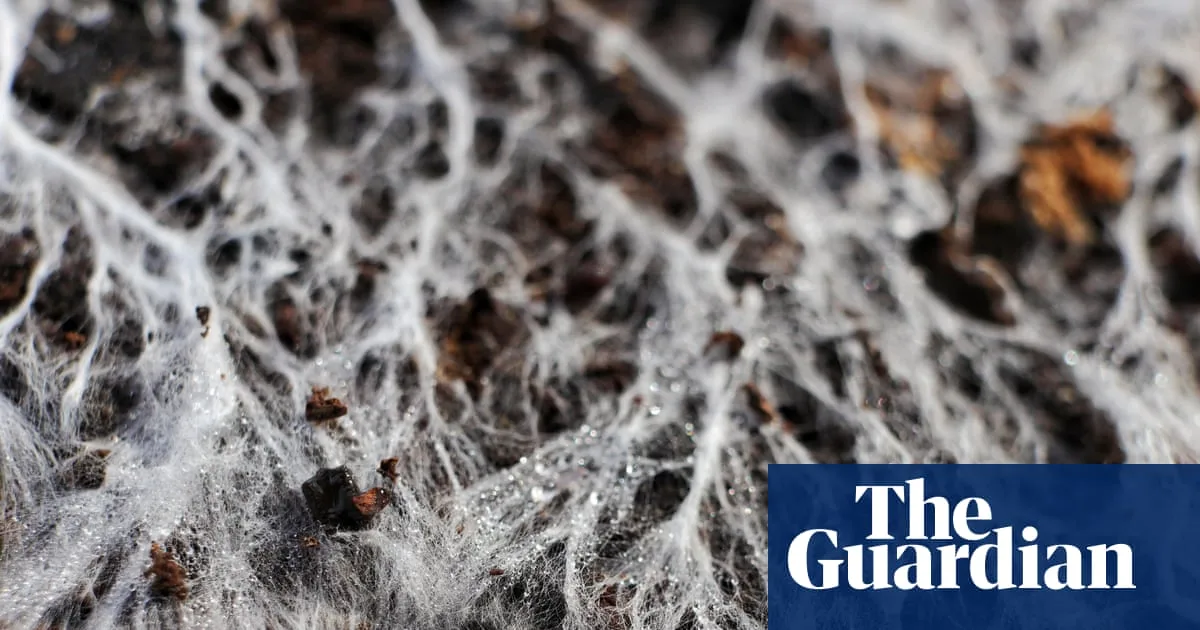
Scientists have called for urgent conservation of underground fungal networks after a study found that only 9.5% of global biodiversity hotspots for mycorrhizal fungi fall within protected areas. The research, led by the Society for the Protection of Underground Networks (Spun) and published in Nature, reveals that 90% of these critical ecosystems remain unprotected, risking carbon storage, crop productivity, and resilience to climate extremes.
Mycorrhizal fungi form underground networks that supply plants with nutrients and draw more than 13 billion tonnes of carbon dioxide into soils each year – equivalent to roughly one-third of global fossil fuel emissions. Dr Toby Kiers, executive director of Spun, said these fungi have been overlooked despite their vital role in sustaining life on land, warning that their loss could unravel biodiversity above ground and reduce agricultural yields.
Using machine learning on over 2.8 billion fungal sequences from 130 countries, the team created high-resolution maps at a 1km² scale. The coast of Ghana was identified as a global hotspot, but erosion rates of 2 metres per year threaten to wash this biodiversity into the sea. Land use changes are a major cause of degradation, and researchers stressed that fungi remain largely absent from conservation law and policy.
Lead author Dr Michael Van Nuland said the maps can guide future conservation efforts, while Professor César Rodríguez-Garavito of NYU emphasised their importance for strengthening climate and biodiversity policies. Spun is now seeking collaborators and funding to expand its mapping, which currently covers only 0.001% of Earth’s surface, to help protect these hidden ecosystems.