
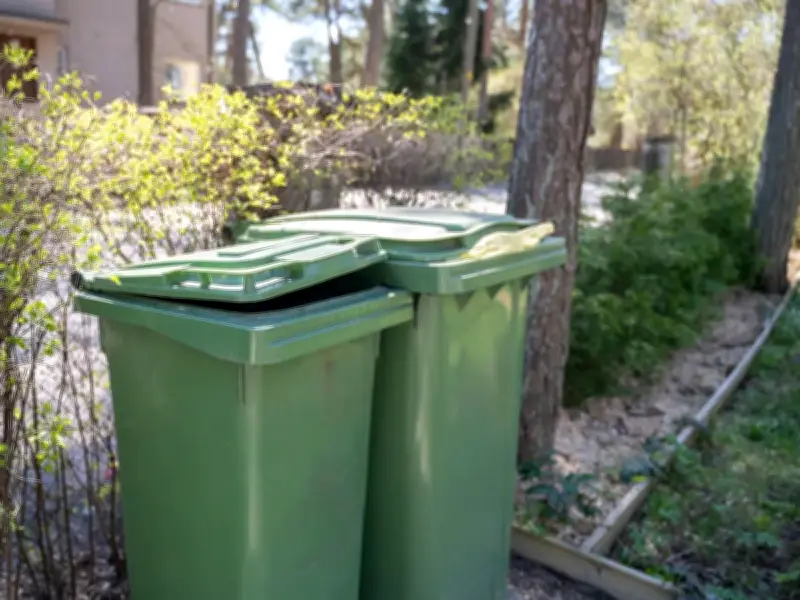
A refuse collector has warned UK households that recycling bins left more than six feet into a garden may not be collected on the scheduled morning. The warning comes from @theno1.binman, a TikTok user who regularly shares videos about bin collections.
In his video, the binman mimed to the track My Lovin' by En Vogue, whose repeated lyrics "never gonna get it" indicated that bins placed too far into a property would be ignored by collection crews. The message was written across the top of the clip: "When the bin is more than six feet into your garden."
Viewer concerns over elderly residents
In the comments section, some viewers expressed dissatisfaction with the approach. One asked: "Would you get it if an elderly person lived there?" The binman responded: "If you can't bring it out, you can sign up for an assistant collection where we agree where we get it from and return it to."
A commenter said they didn't "think that people know" about this option, while another suggested it's important to "apply through your local council."
How to ensure your bins are collected
To ensure bins are collected, residents should first check their local council's guidelines, as rules can differ significantly depending on where they live. Most councils require bins to be placed at the edge of the property, close to the kerb, so collectors can reach them easily. Leaving bins in the wrong location – such as behind a fence or too far up the driveway – could result in them being left uncollected.
Timing is also important; bins should generally be put out either the evening before collection day or very early on the morning itself, as crews often begin rounds early and will not return if trash has not been put out in time.
Assisted collection and other rules
Residents must also use bins correctly. Local authorities typically provide separate bins for general waste, recycling and, in some cases, food or garden waste. If the wrong type of rubbish is placed in a bin, or it is overfilled so the lid won't shut, collectors may decline to empty it. Bins should not be obstructed by parked vehicles, walls or other barriers, as the collection team requires clear access.
For those who are disabled, elderly or have mobility difficulties, most councils provide an assisted collection service. This means refuse collectors will come onto the property, such as up the drive or to the doorstep, to collect and return bins. To access this service, residents typically need to contact their local authority and complete an application form, explaining their circumstances and supplying any necessary medical information or proof of disability. Once approved, the council will notify the collection team, who will assume responsibility for moving the bins each week.




