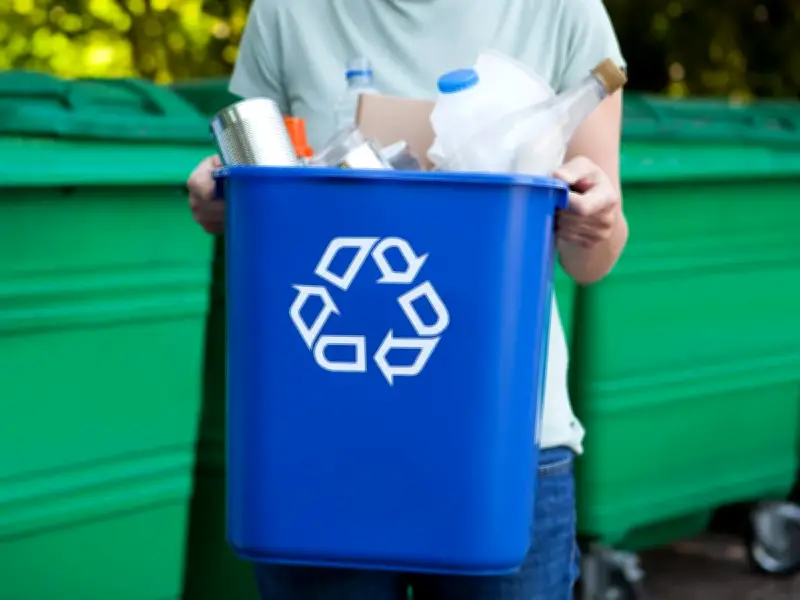
A refuse collector has warned that a common recycling mistake could leave your bins uncollected this week. Ashley, who works as a binman, shared guidance on TikTok after residents faced frustration when their bins were rejected due to contamination.
Why your bin may be rejected
Ashley told his 219,700 followers: "I know it's frustrating, it's so frustrating when your bin gets rejected or we don't empty it because it's contaminated, it might have a polystyrene or it might have food waste but it's a plastic or food bin."
He added: "Yeah it's annoying. It's annoying for you, it's annoying for us but it's your fault. Why you shouting at us for? Why are you shouting at the binmen because you contaminated your bin, we can't, you put it in there."
Ashley also suggested that passers-by could be responsible for contamination, saying: "If someone is walking past and they put it in your bin, it probably means you should start taking your bin in. Or maybe put something on top of it so people can't just walk past and put something in."
What causes contamination
Contamination occurs when general rubbish, black bin bags, nappies, clothing, electronics or food waste are placed into a paper, plastic or glass recycling bin. Unrinsed food or drink containers can also contaminate recycling, as can putting plastic bags or pet waste into a green or brown garden or food waste bin.
If a bin is contaminated, waste crews will refuse to empty it and may leave a warning tag, sticker or letter. Councils can face higher processing fees and sorting machinery damage, which wastes public funds. Repeated violations can lead to fines or permanent removal of the bin.
How to avoid the mistake
Ashley reiterated that residents should never shout at them for completing their job. He said: "Most bin lorries have cameras all over them and if we purposely contaminate the load then that's our job on the line, not yours. So yes it's frustrating."
He added: "So you have to sort through it again so it's collected. I'm sorry, not our fault."
To find out what goes into your specific bin, visit your local council's website or use official UK waste-sorting lookup tools. Rules can change depending on your exact borough or local authority, and you can enter your postcode into the GOV.UK website to learn more information.