
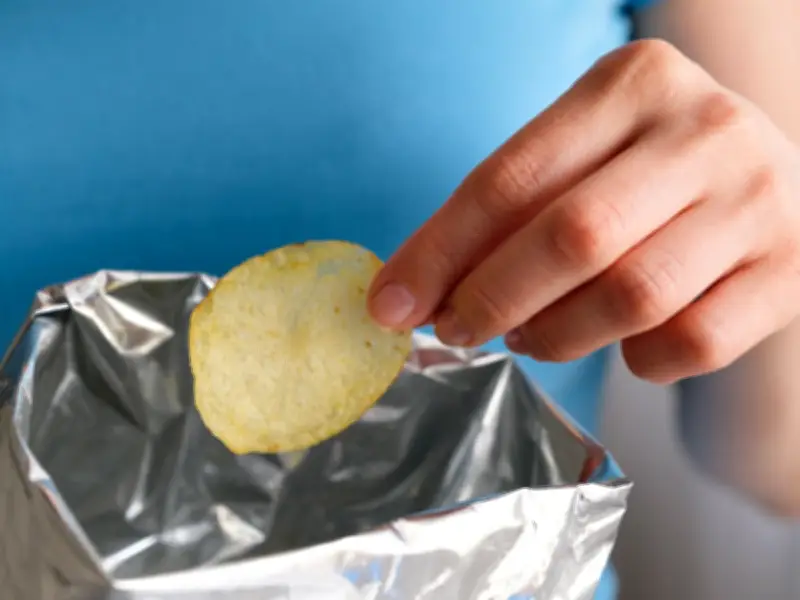
Brits consume over eight billion packets of crisps annually, a figure expected to rise to 11 billion by 2030, according to Statista. The UK is also among the top five chocolate-consuming nations, generating vast amounts of chocolate wrappers. Despite progress in food packaging recycling, there is no straightforward way to recycle these items at home.
Why Can't Crisp and Chocolate Packets Be Recycled at Home?
Crisp and chocolate packets are made from multi-layered materials such as polypropylene or polyethylene with an aluminium coating, known as 'soft plastics'. Most local councils collect hard plastics, but soft plastic recycling at scale remains limited. Environmental charity WRAP stated: 'There is still change that needs to take place for widespread roll-out of recycling collections at kerbside for plastic bags and wrappings.'
What Does The No1 Binman Say?
Ashley, known as The No1 Binman on TikTok with over 177,000 followers, advises: 'They do not go in any of your recycling bins. A crisp packet, yes it can be recycled but you need to take it [to a supermarket]. Most supermarkets take them. ... Otherwise, you can put them in your general waste bin.'
Supermarket Recycling Schemes
Many supermarkets offer bins for soft plastics, including crisp packets and chocolate wrappers. It is essential to check local council rules, as some may accept these materials. In 2023, the BBC reported finding crisp packets from the 1960s washed up on a Norfolk beach, highlighting the longevity of plastics.




