
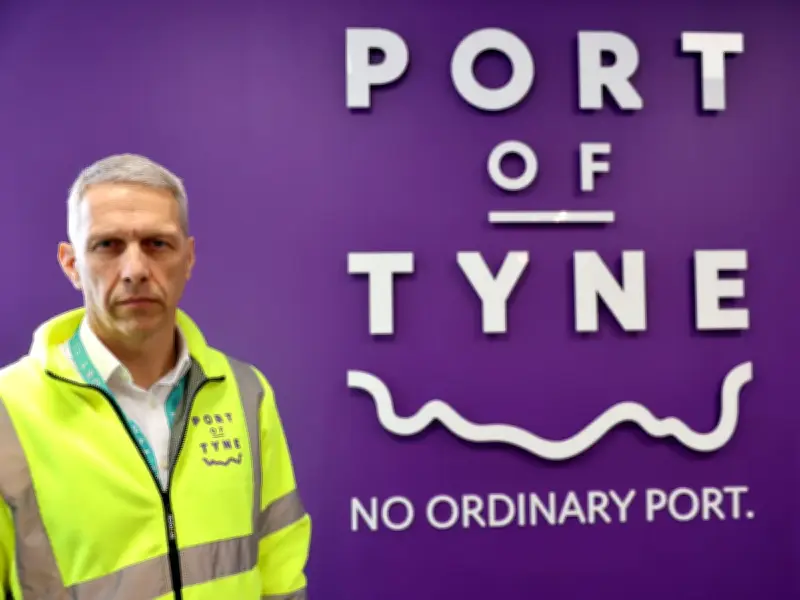
Around 58 tonnes of nurdles are estimated to have been prevented from spilling into the River Tyne after a collision between two ships, Port of Tyne says. On Sunday, July 19, the Wind Orca collided with the BG Orange, with containers on the latter ship being ripped open, and holes being torn in its hull.
Complex operation concludes
Bosses say that 58 tonnes of the plastic pellets across two containers were prevented from falling into the river in a "complex" operation which concluded on Thursday, and that the spill came from one shipping container. A dockside crane collapsed during the collision and its operator was taken to hospital with serious injuries. He is now recovering at home.
The Port's CEO Matt Beeton said that the plastic pellets spilled into the river within five seconds of the crash, but staff did not become aware of the contents of the damaged containers until Monday, July 20. Since then, the Port has been treating the spill as a "major environmental incident."
Immediate response and challenges
Speaking to ChronicleLive from the Port of Tyne's Maritime House on Wednesday morning, Mr Beeton told ChronicleLive that a "complex operation" had been ongoing to make the ship and crane safe, and to prevent the remaining nurdles from spilling into the River Tyne. He said: "Everything happened in those first few seconds. Our immediate response was to get global experts in to manage the river, get the containers off and put up a boom."
However, that could only happen the following day; Monday, July 20; as staff were unable to access the site due to a police cordon. Mr Beeton says the port notified councils of the spillage that day, once it was made aware nurdles had fallen into the river from CCTV footage.
Clean-up efforts and volunteer involvement
Since then, the Port's response has consisted of seven people from Ambipar removing nurdles from the river, a further three from the Port of Tyne, and three more from a company called Swift Marine. That number does not include staff from Briggs Marine, who have been working with North and South Tyneside Councils. The precarious position of the ship and crane has meant that the Port would not allow volunteers onto the river in smaller boats to help clean up the nurdles, something which those involved in organised clean-ups have criticised the port for. However, Mr Beeton says it could not be allowed as it was "not safe."
He said: "We had to get the crane off the ship before we could move it. If the ship moved the containers would have ended up in the water."
Phase two begins
A crane called the Matador 3 had to sail over from the Netherlands to move the ship from the Quayside, and the Port of Tyne's dockside crane had to be cut in half so that it wasn't dangling over the river. The operation, which the port says is phase one of the clean-up, was completed on Thursday last week. Mr Beeton says that the Port's figures show around nine tonnes of nurdles have been removed from the river, whilst volunteers say a further 285kg have been picked up from beaches. However, they are still causing huge problems; with seagulls seen eating the pellets on the Fish Quay Beach yesterday, leading to starvation fears.
Now, the Port is moving onto phase two, in which the it will allow volunteer mariners to work with its harbourmasters at "certain times and certain tides" to remove more nurdles from the river. It comes after Mr Beeton was handed an open letter signed by more than 2,000 calling for an "urgent expansion" of recovery efforts" on Monday. He said: "Now that we're in a much safer position, we can get the community involved."
Community praised
The CEO ended by praising the community on its involvement following the spill. He said: "We know the community are really passionate about this, it's incredible." The region has come together as a community to clean the beaches and I think it's something not a lot of places experience. We're lucky to have people who are passionate about the river and the region."




