Discovery of Shiny Spheres on Queensland Beach
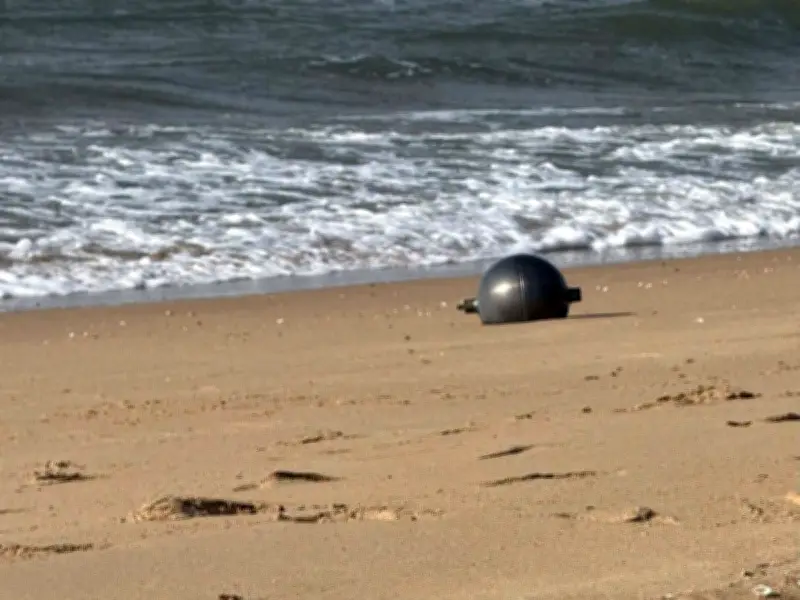
Earlier this month, beachgoers at Forrest Beach in northeastern Australia were astonished to find several shiny metallic spheres, each about the size of a basketball. Initially, three strange orbs were reported, but authorities later discovered a total of six over three days. The objects appeared unusually clean, without the scorch marks typical of objects that have undergone a fiery re-entry through the atmosphere, according to the BBC.
Identification as Rocket Debris
The Australian Space Agency quickly identified the spheres as hazardous rocket debris. They were determined to be titanium-alloy pressure vessels that had fallen back to Earth after a foreign space launch. These heavy-duty tanks are used on rockets to hold pressurised liquids or gases, such as fuel systems. Their titanium construction allows them to withstand extreme forces, enabling them to survive re-entry intact when most other space junk burns up.
Hazmat Response and Exclusion Zone
Emergency crews treated the find as a dangerous chemical incident. A 50-metre exclusion zone was established on the sand, and responders in hazmat suits carefully lifted the spheres and sealed them inside specialist drums. The Queensland Fire Department handled the operation, as reported by Global Update.
Health Risks from Hydrazine Contamination
According to Vice, rocket components can be contaminated with hydrazine, a highly toxic rocket propellant that is corrosive and linked to cancer. Contact with hydrazine or inhalation of fumes from fresh debris can cause chemical burns, serious illness, or long-term health problems. Officials warn that while the chance of being hit by falling debris remains tiny, the invisible danger of toxic contamination poses a greater risk to the public.
Context of Increasing Space Debris
The discovery comes amid growing concerns about space congestion. Private companies and governments are launching thousands of satellites into low Earth orbit, contributing to a rising amount of uncontrolled space junk. Under international treaties, debris remains the property of the country that launched it. The incident underscores the need for better tracking and mitigation of space debris as orbital traffic increases.