
Environmental and Indigenous groups have criticised a global mercury conference in Geneva for failing to take stronger action against mercury use in small-scale gold mining, which they describe as the world's largest source of mercury pollution and a growing threat to the Amazon rainforest.
Delegates at the sixth Conference of the Parties to the Minamata Convention, a United Nations treaty aimed at curbing mercury pollution, agreed to phase out mercury in dental fillings by 2034. The decision was hailed as a health victory after a decade-long campaign, but activists said it fell far short of addressing mercury use in artisanal and small-scale gold mining, which is poisoning communities and ecosystems across Latin America, Africa and Asia.
“Eight years after entering into force, the convention should signal a stronger commitment to prioritising health over gold,” said Yuyun Ismawati, co-chair of the International Pollutants Elimination Network (IPEN). Jairo Saw Munduruku, a delegate of Brazil’s Munduruku people, said Indigenous representatives welcomed the chance to speak but were disappointed by the lack of concrete action. “Many countries said they would stop using mercury, but others don’t want it completely banned,” he said. “The decision wasn’t very good, but we will keep fighting.”
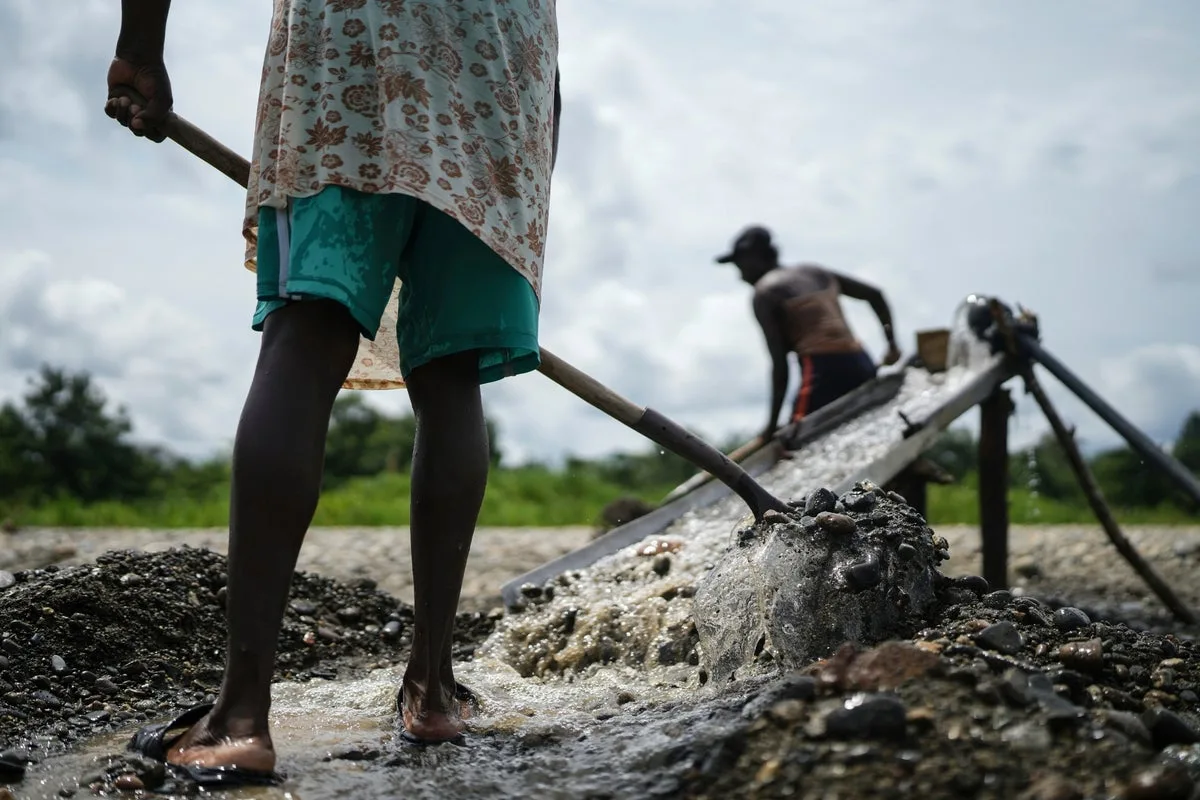
Mercury binds with gold, allowing miners to extract the metal from low-grade ore. The process, widely used in remote informal mining zones, releases toxic vapour and mercury-laced waste that seeps into rivers. In the Amazon Basin, where illegal gold mining has surged as prices hit record highs, mercury is contaminating waterways that feed Indigenous villages and major tributaries of the Amazon River. Studies cited by IPEN have found nearly all Indigenous women tested in Peru and Nicaragua had mercury levels several times above safe limits.
“Unfortunately, this week the COP fiddled while Rome burned,” said Lee Bell, an IPEN policy adviser. “Small adjustments were made to minor issues while delegates failed to confront the mercury pollution crisis in the Amazon.” The UN special rapporteur on human rights and toxics, Marcos Orellana, also urged delegates to strengthen the convention, warning that current loopholes allow mercury use in mining to expand unchecked. Environmental groups are calling for amendments to ban mercury in gold mining altogether, close remaining mercury mines, and end the global trade in the substance.
The meeting’s only formal discussion of gold mining focused on improving transparency in the gold trade and promoting markets for mercury-free gold, which activists say does little to address the urgent crisis facing vulnerable communities.




