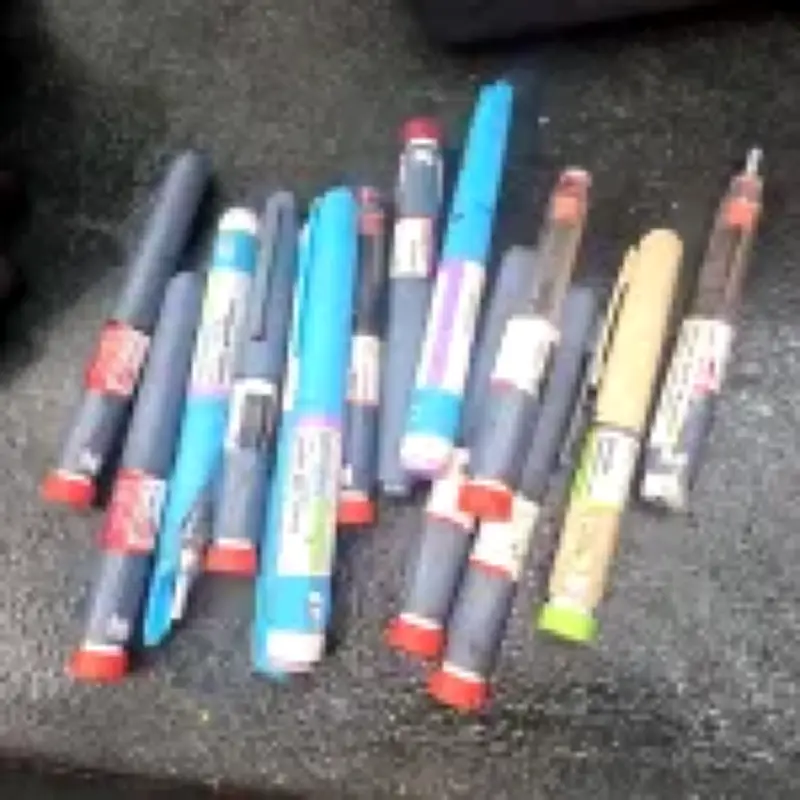
Bin workers are being stabbed by discarded weight loss jabs and rushed to hospital as more Brits throw away the injections. SUEZ Recycling and Recovery UK said one of their staff was taken to A&E and needed four vaccines after a jab pierced through two pairs of gloves.
Rising risk from discarded jabs
The obesity injections are becoming a major challenge to recycle and are posing a safety risk to frontline crews, the waste and recycling company has warned. Brits go through an estimated 104 million weight loss jabs each year as the anti-obesity treatment surges in popularity.
While patients given weight-loss drugs from a pharmacy are usually provided with a sharps bin, SUEZ say 'sky-rocketing' numbers of people who order jabs online chuck them in household waste and recycling because they aren't given a dedicated box.
Incident in Doncaster
The trend has led unsuspecting bin workers to be impaled by the used jabs when handling the rubbish. At one SUEZ site in Doncaster last December, a loader was pierced in his left index finger by a discarded needle when picking up loose rubbish that fell from a bin. Despite the fact he was wearing two pairs of gloves, the jab became lodged in his finger. On inspecting the bin, around 12 used needles were found at the bottom.
The SUEZ worker was rushed to A&E, received four vaccinations and booster shots and had to give multiple blood tests because of the potential exposure to blood-borne viruses, such as hepatitis. The resident later confirmed the needles were from a weight-loss medication and that a sharps collection service should have been arranged, the recycling company said.
Calls for action
The injured worker's manager, Danni Kelly, told Metro: 'Most people who dispose of needles and other sharp objects in general waste are unlikely to consider the impact their actions could have on those handling it further down the waste chain. This incident demonstrates the very real risks created by improper disposal. Waiting for the outcome of medical tests is something no one should have to experience as part of doing their job, particularly when the risk could have been avoided.'
SUEZ, which serves more than 10m households in the UK, said the needle spiking was one of a number of cases their workers had faced. Dr Adam Read, their Chief Sustainability and External Affairs Officer, told Metro: 'We have had enough instances to know we are concerned and we can only see it getting worse. You can't see them [the jabs] – they are small and hidden. They could even jump off the belt when waste is being sorted, which could result in one of them catching you on the side of your neck or on your arm. These people are not expecting to get pricked and have to be off the line and getting tests. The more weight loss jabs become a social choice rather than a prescribed intervention, it is more likely you are going to get these things without any protection.'
He explained that workers are particularly at risk when the jabs are put in household recycling, as they are more likely to be handled as the waste is separated into different materials to be reused. Dr Read wants the government to 'clampdown on easy-to-buy online' weight loss injections, because many do not have a return system included. SUEZ are also calling for doctor's surgeries to become a key 'point of reference for sharps collection' so that more fat jab users can safely throw them away there.
The refuse company hope to see a new nationwide recycling scheme paid for by manufacturers to manage discarded weight loss jabs. Dr Read added: 'The people that are selling these should be funding the system for take back or safe disposal. Otherwise, it'll be the local authorities that are picking up the tab for what is nothing to do with them.'
Broader problematic materials
Earlier this year, SUEZ also demanded a deposit return scheme for vapes over the hundreds of fires they cause in bin lorries and waste centres. Both vapes and weight-loss injections are among SUEZ's newly announced top ten problematic materials causing the biggest challenges for Britain's recycling industry.
SUEZ's top ten problematic materials include: Vapes, Batteries, Nitrous Oxide, Mattress, Flexible plastic packaging, Nappies and absorbent hygiene products, Paint and chemicals, Food-contaminated recycling, At-home injections, and Compostable packaging.
Among them are Nitrous Oxide (NOx) cannisters, which are being misused as a recreational drug and can explode in the waste management process. Dr Read explained: 'The issue is they still contain a bit of gas, which is in a contained compartment. When it goes onto the grates, it is a bit like throwing a hand grenade. It is explosive and does a lot of damage very quickly.' SUEZ saw over 7000 explosions caused by NOx cannisters in 2025, more than 20 per day, and want tighter restrictions on their sale.
A Defra spokesperson said: 'This government is ending our throwaway society and building a better system which keeps our streets and countryside clean. Manufacturers are now responsible for waste created by both pre-filled weight loss syringes and nitrous oxide cannisters, including fronting the cost of their disposal. Individuals also have a vital role in doing the right thing by making sure they dispose of items safely. Our recycling reforms are helping more waste get recycled, instead of ending up in landfill or incinerated and improving waste services in every postcode.'