
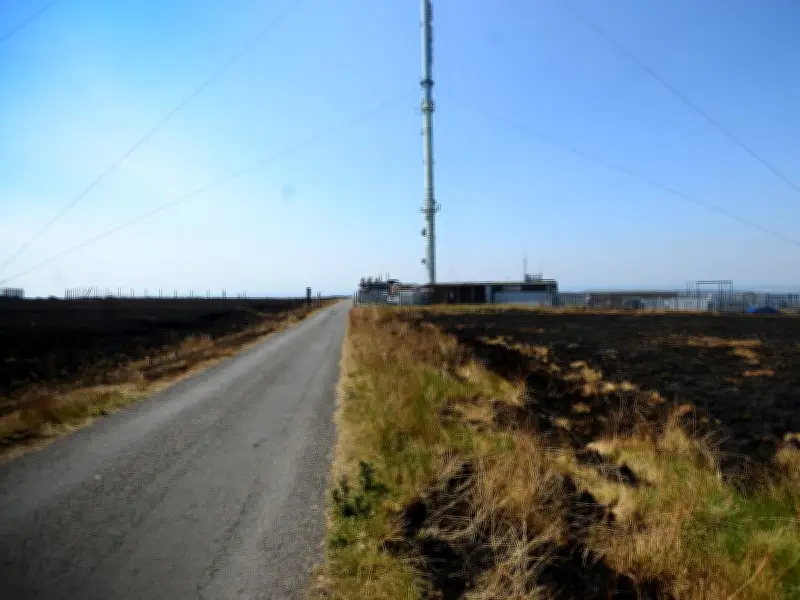
The Winter Hill transmitter, which is visible from much of the North West, is one of the tallest structures in the UK at 309 metres tall. Perched on the West Pennine moors between Bolton and Blackburn, it provides television service to nearly three million households across the region.
But the long-term future of masts such as Winter Hill is in question. A report from the National Preparedness Commission published this week warns that a possible plan to shut it off in 2034 would leave the UK vulnerable in emergencies, and calls for an extension to at least 2044.
Government proposes switching off Freeview
The government has published a green paper proposing to phase out traditional terrestrial TV like Freeview, with possible switch-off dates of either 2034 or 2044. It has pledged that digital terrestrial television signals are secured and supported until at least the end of 2034.
A formal consultation remains open until August 31, allowing the public and stakeholders to voice concerns on whether to move entirely to internet-based streaming.
Report: transmitters are critical infrastructure
The commission's report describes the UK's network of more than 1,450 TV and radio transmission sites as critical infrastructure that can continue broadcasting when internet-based communications fail. It points to incidents including the Iberian Peninsula blackout, when much of Spain and Portugal lost power and internet capabilities, as evidence of growing risks to modern communications networks.
According to the report, transmitters such as Winter Hill are part of a network reaching 98.5 per cent of UK households. Unlike streaming services, terrestrial broadcasting can continue delivering information during major power or network outages.
Calls to protect broadcasting until 2044
The report concludes that keeping transmitters such as Winter Hill on air until at least 2044 could help keep the public informed when cyber attacks, storms or power failures knock out internet and phone services.
Mark Steele, chief operations officer at Arqiva, which operates the UK's broadcast network, said: "The debate amongst government and broadcasters has focused too heavily on changing viewing habits and streaming services while overlooking the role transmitters such as Winter Hill play in national resilience, keeping the UK public safe and informed in the event of an emergency."
Steele also said retaining Freeview is not simply about preserving television services but maintaining a wider communications platform used to support emergency information, radio broadcasting and wider critical infrastructure, including emergency services and coast guard communications. He warned that removing digital terrestrial television too quickly would undermine the economics of the wider network, increase costs for other essential services and leave the UK vulnerable.
Lord Toby Harris, chair of the National Preparedness Commission, said: "The question for government is much more than how people will watch television in future, but how the country will communicate when internet-based systems fail."
He described the UK's tall tower network as a sovereign, resilient asset that reaches almost every household and supports radio, emergency services and critical infrastructure. He added: "Protecting terrestrial broadcasting until at least 2044 would preserve a vital, independent route for trusted public information when it is needed most."




