
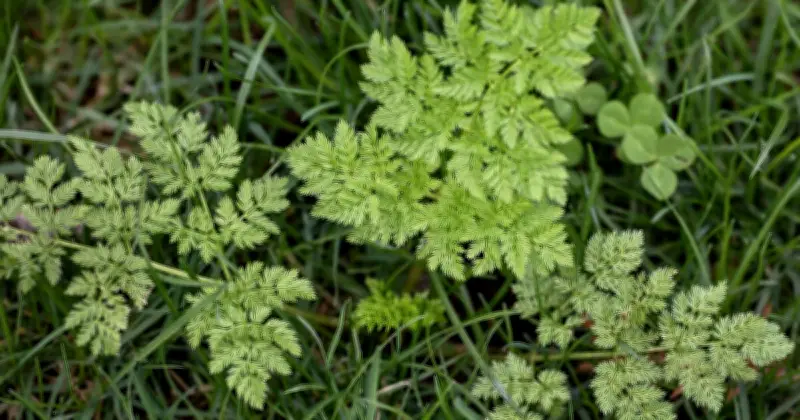
UK households have been warned against touching the nation's most poisonous plant, which is in bloom at this time of year. Hemlock Water Dropwort grows in damp areas such as riverbanks and ditches, and while it smells and tastes pleasant, it is actually the most toxic native plant in the UK. It can be fatal to both humans and animals, even in small quantities.
Council issues warning
The plant is very common across various regions of the UK, including Argyll and Bute in Scotland, prompting the local council to issue a warning to residents. Locals were given new safety information according to the plant. It reads: "There are also several potentially dangerous plants that are blooming at this time of year that should be avoided."
"Hemlock water dropwort is a naturally occurring plant and could be found along any foreshore. It is poisonous if ingested, so we advise people to be vigilant." Ordinarily the roots, or tubers, are not exposed, but during stormy weather the roots can be disturbed and uncovered. "Take care and do not touch or allow children or pets to come into contact with any plant growing wild that you are unsure about."
Appearance and risks
The plant has bright green and glossy leaves with two to four pinnate divisions in a triangular shape. When it flowers, it produces small white petals arranged in an umbel, stalks of nearly equal length springing from a common centre. Its stem is green, hollow, grooved and hairless and can grow up to six feet tall. However, when cut, the stem oozes a staining yellow liquid. The plant looks like it belongs to the parsley family because of the shape of its leaves and flowers.
Hemlock water dropwort, if ingested, can cause muscle contractions that can lead to asphyxia. This is when the body is deprived of oxygen, causing unconsciousness or death; suffocation. As the plant thrives in damp places, the recent rainfall is likely to have left it more exposed, meaning Brits should be extremely vigilant when out and about. If discovered, residents should contact the council, which can safely dispose of the plant.
Coastguard alert
Millom Coastguard Rescue Team, which operates across the West Cumbrian coastline and the South Lakes, previously issued an alert on its Facebook page. In December, it wrote: "So far there have been confirmed sightings between Drigg and Parton. Hemlock Water Dropwort (Oenanthe crocata), also known as Dead Man’s Fingers."
"Even a small portion can prove fatal to humans by attacking the nervous system. It is also fatal to animals. The plant has a highly poisonous root that looks, and smells, like Parsnip. It is highly likely that this is happening due to the aftermath of recent stormy weather."
"We advise people, especially with children and animals, to stay vigilant, avoid this plant and take extra care when visiting the beach. We are not the agency responsible for its disposal. Sightings should be reported to your local council who will arrange disposal. Please do not touch."




