
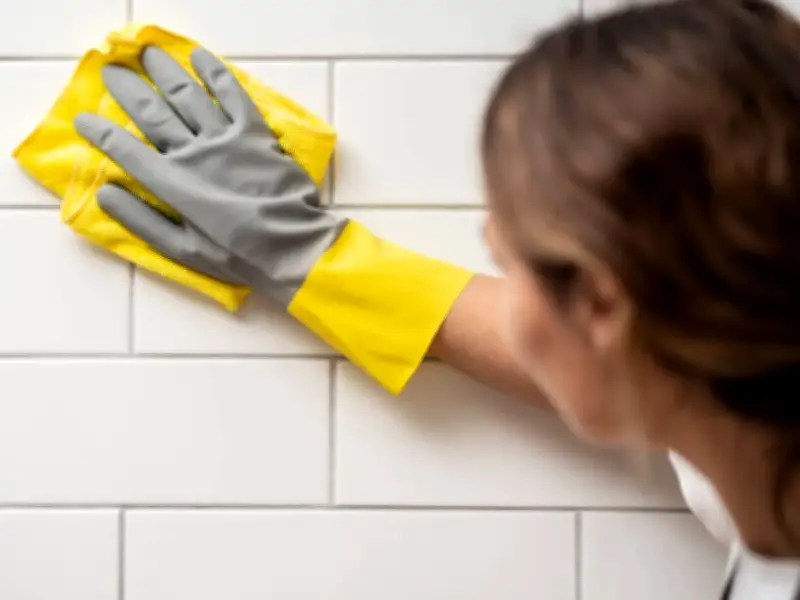
Cleaning expert Lynsey Crombie has advised against using bleach to clean grout, saying it "doesn't actually clean the grout" and only provides temporary surface whitening. Instead, she recommends a natural paste made from bicarbonate of soda, washing up liquid and water, applied with a toothbrush.
The 'Queen of Clean', known for her appearances on This Morning and her online blog, warned that bleach may seem like a "quick fix" but added: "Over time, it can damage the grout, make it crumble, and even cause yellowing."
Expert's Natural Grout Cleaning Method
For maintaining freshness between deep cleans, Lynsey recommends using white vinegar spray. White vinegar features prominently in her cleaning arsenal, used for windows and glass, descaling kettles, and preventing mildew in damp areas. She also champions it for cleaning fridges, refreshing laundry, and eliminating odours from microwaves.
For those seeking a chemical-free approach, Lynsey recommends deploying a steam cleaner to shift stubborn dirt and grime. By steering clear of bleach, she notes grout will "last longer and stay brighter" while keeping bathroom and kitchen environments healthier.
Keeping Grout Clean After Deep Cleaning
Once grout has been thoroughly cleaned, proper maintenance is crucial. Screwfix suggests regularly wiping down grout lines using a gentle cleaner or baking soda paste to stop dirt accumulating.
It is also worth considering applying a grout sealant, as this "protects it from moisture and stains", making future cleaning sessions far simpler. Ensuring grout stays dry is equally vital, as this helps to "prevent mould growth", especially in moisture-prone areas like bathrooms and kitchens.
When Cleaning Isn't Enough
Should grout be past the point of rescue and standard cleaning fails to restore its shine, grout pens offer a "quick and easy" solution for refreshing faded lines. Alternatively, if the grout is badly stained, cracked, or falling apart, it might be time to consider re-grouting altogether.




