
Scottish Water has submitted a planning application to North Lanarkshire Council for a project to protect the South Calder Water and improve the local wastewater network. The proposed investment is part of Scottish Water’s wider £500 million Improving Urban Waters programme, which is delivering improvements to water quality in communities across Scotland.
Planned improvements
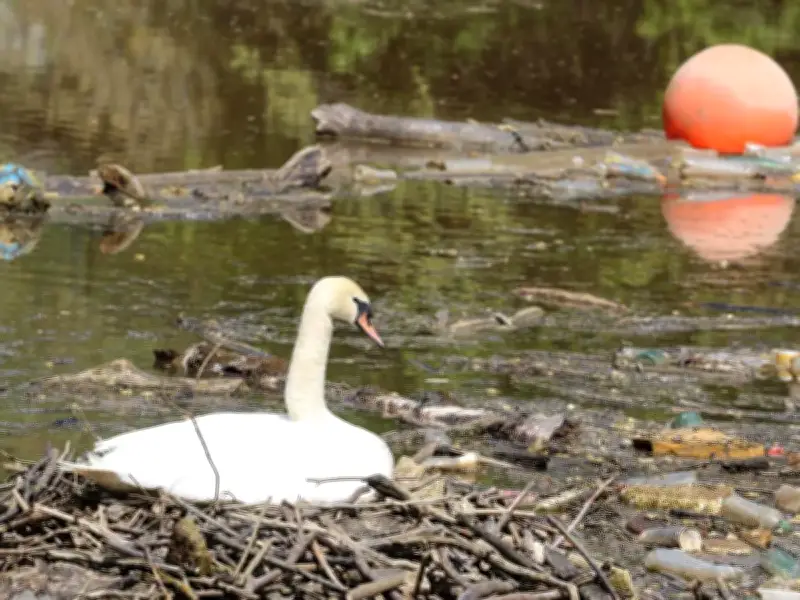
The project would see the installation of a new pipe bridge, a new storm overflow chamber fitted with screening equipment, and upgrades to the surrounding sewer network. Together, these improvements will help prevent sewer-related debris from entering the South Calder Water during periods of heavy rainfall.
Full details of the application, including drawings and supporting documents, are available to view via North Lanarkshire Council’s planning portal.
Environmental measures
As part of the work, a number of trees will need to be removed to allow construction to take place. Scottish Water is committed to minimising environmental impacts wherever possible and, once the project is complete, all working areas will be fully reinstated. Compensatory tree planting will also be carried out.
The public utility has advised it will share further details of the project as it progresses.
About the South Calder Water
The South Calder Water follows a short course of approximately ten miles (16 kilometres), during which it winds round Shotts, Wishaw and Motherwell before flowing into the Strathclyde Loch. Between its source at Calderhead and Newmains the stream follows a wide glacial valley and passes Bonkle and Murdostoun Castle, but after Newmains, until its end at Strathclyde Loch in Motherwell, it cuts through a very deep and meandering valley.
Overflows are an essential and critical component in the sewer network, protecting homes and businesses from flooding during periods of heavy rain. When spills occur, the overflows are operating as they are designed to; they ensure excess rainwater is safely diverted away from homes and businesses. A tiny fraction – less than 1% - comes from toilets - which is then further diluted in the environment.




