Emergency hospital admissions for dangerously high blood pressure have risen by 77% in six years, according to new NHS England analysis, prompting a warning for adults aged 40 and over to get their blood pressure checked.
Admissions for the condition, often called the “silent killer” because it usually has no symptoms, rose from 24,481 in 2019/20 before the pandemic to 43,306 in 2025/26. Health leaders say more people are unaware they are living with the condition until it causes life-threatening health problems.
Alarming rise in emergency care
Helen Williams, NHS England director for cardiovascular disease, said: “The increase of people needing emergency care due to high blood pressure is alarming. High blood pressure is a major risk factor for heart attacks, strokes, heart failure and chronic kidney disease and in many cases it can be detected and treated earlier. We are working to support more people at risk from this silent killer before they become seriously unwell.”
Experts suspect the rise could be down to a combination of factors such as conditions being missed during the pandemic and difficulties accessing GP appointments, as well as rising obesity in younger adults.
Millions undiagnosed
Recent research suggested 25 million Brits now have high blood pressure, making up 37% of adults. Around half of sufferers are undiagnosed. It affects more men than women, but the new analysis also found there were a third more hospital care episodes with a diagnosis of hypertension from women than from men, which could be down to outdated assumptions that heart attacks and strokes are a male problem.
Dangerously high readings are usually 180/120 mmHg or higher and can be accompanied by signs of acute organ damage. Patients can attend A&E themselves or arrive after an urgent GP referral. In a hypertensive emergency, hospital teams focus on lowering blood pressure safely and gradually, as dropping it too fast can reduce blood flow to vital organs.
Red-flag symptoms and NHS checks
High blood pressure usually has no noticeable signs, so hospital admissions are typically triggered by red-flag symptoms that suggest the heart, brain, kidneys, or blood vessels are under immediate stress. These can include chest pain or tightness, shortness of breath, neurological changes such as sudden confusion or severe headaches, and vision changes such as sudden blurred or double vision.
The NHS drive aims to identify those with high blood pressure sooner, prescribe medication if necessary, and offer support to make lifestyle changes. Health leaders are urging adults aged 40 and over to take up their free NHS Health Check, as 3.8 million people were invited last year, but only 1.3 million took up the offer.
Helen Williams, a consultant pharmacist specialising in cardiovascular disease, added: “Knowing your numbers is one of the most important steps people can take to protect their heart health - a simple blood pressure check could help prevent a life-changing event later on.”
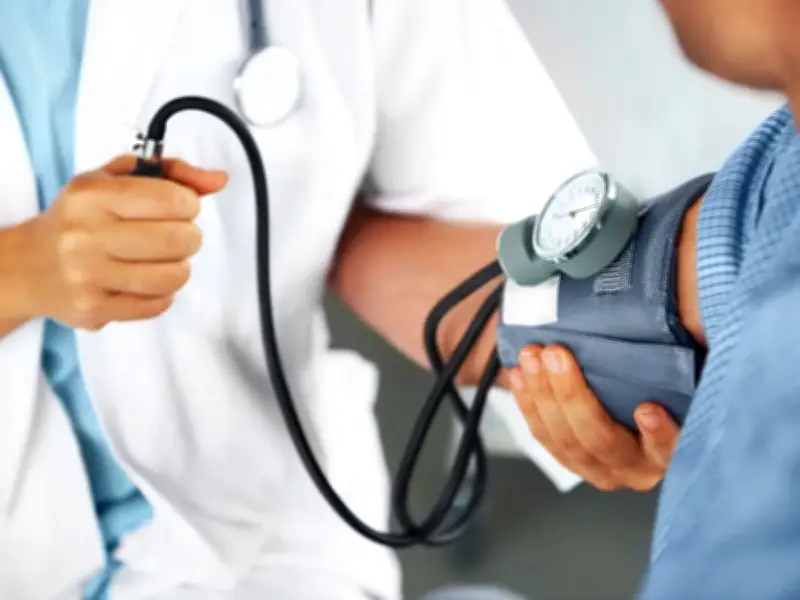
Blood pressure checks are available through NHS Health Checks at GP practices and community pharmacies for all over 40s who have not had their blood pressure checked in the last five years. Many checks are proactively offered by pharmacists via the Hypertension Case Finding Service, and 3.3 million were carried out last year, with 375,000 people identified as requiring additional monitoring and sent to their GP.
Those aged 40 to 74 without pre-existing issues such as heart disease and diabetes can access a health check via their GP surgery and should be invited for one every five years. Anyone who has not been invited should contact their GP practice. During the check, which takes about 20 to 30 minutes, a health worker measures height and weight, waist circumference, blood pressure, cholesterol and sometimes blood sugar. Questions may also be asked about family medical history, smoking, alcohol consumption and activity levels.
NHS guidance recommends same-day specialist assessment when a blood pressure of 180/120 mmHg or higher is accompanied by signs of damage to the eyes or potentially life-threatening symptoms such as new confusion, chest pain, signs of heart failure or acute kidney injury. A very high reading on its own does not necessarily mean someone will be admitted to hospital.