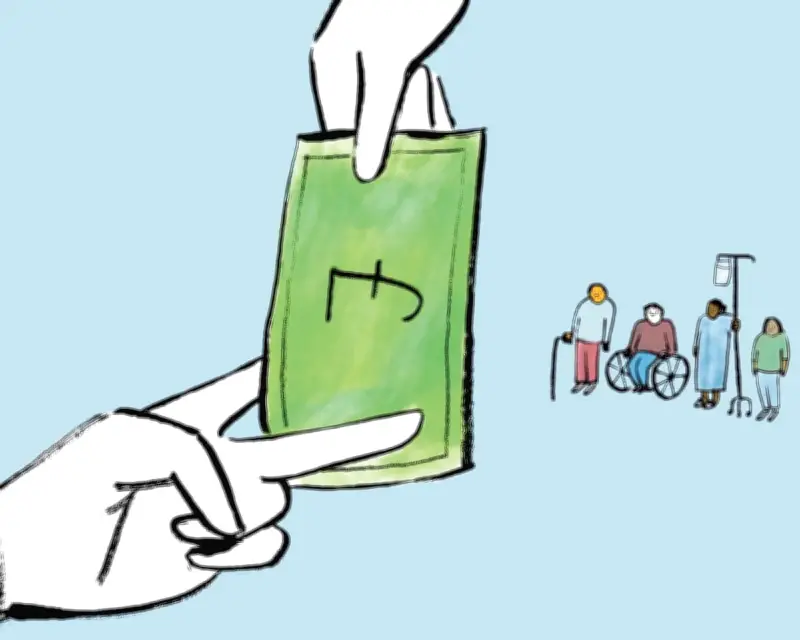
The Timms report, the government's landmark review into Personal Independence Payment (PIP) in England and Wales, found the disability benefits system is "not fit for purpose" and "dehumanising" for claimants. Yet substantive reform ideas are scarce, especially from those who routinely decry "Broken Britain".
The Gap Between Rhetoric and Reality
Nearly two-thirds of appeals over PIP decisions succeed at tribunal, highlighting the inaccuracy of assessments that cost taxpayers billions. Private firms received almost £1.8bn between 2012 and 2024 to administer PIP tests, yet their reports are frequently riddled with factual errors. The right's focus on cutting the "bloated bill" ignores these inefficiencies.
What a Progressive System Could Look Like
Scrapping the point-based assessment would be a key reform. The current system, where claimants are scored on everyday tasks, is ill-equipped for mental health and fluctuating conditions. Instead, reverting to the Disability Living Allowance (DLA) model—using detailed claim forms and medical evidence from the claimant's own doctor—would end degrading questions like "How do you put your bra on?" or why someone hasn't attempted suicide.

Cost Savings and Better Outcomes
Abolishing the points system would cut the costly reliance on private companies. The money saved from assessments and the appeals system—hundreds of millions annually—could fund mental health support, preventive NHS care, and cost-of-living grants. Indefinite awards for permanent conditions should also be restored; last year saw over half a million "pointless reassessments" for conditions like cerebral palsy and amputations, according to anti-poverty charity Z2K.
The Political Context
Shadow work and pensions secretary Helen Whately described disability benefits as "tantalisingly low-hanging fruit" for cuts. But the surge in illness and disability over the past six years represents a major public health crisis. As Andy Burnham prepares for government, progressives must lobby for an ambitious safety net. The right's model of austerity, privatisation, and punishment has failed for 40 years.
The Real Risk of Inaction
Disabled people seeking help are pushed to food banks, physical and mental decline, and in extreme cases death, while costs rise and public resentment grows. The only shame belongs to politicians who refuse to fix the system. Frances Ryan is a Guardian columnist.