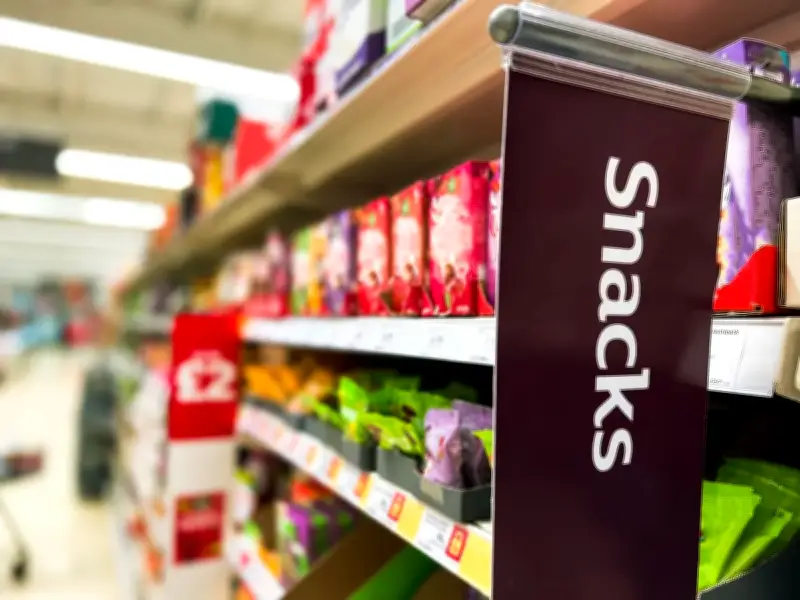
New Scottish Government rules restricting how food and drinks high in fat, sugar or salt are promoted and displayed in shops and online have officially come into effect across Scotland today (October 1).
What has changed?
The regulations have changed how less healthy food and drink can be promoted and displayed in supermarkets and retailers. The restrictions apply to prepacked food and drink, such as cakes, sweets, crisps and drinks with added sugar.
These products have been targeted due to research showing that special offers and prominent displays can encourage people to buy food and drink they did not plan to buy, or to buy more than they need.
What can shoppers expect?
Shoppers can still buy all the same food as before, but they may notice that it is displayed a little differently. Less healthy food and drinks will not be displayed in prominent places in larger shops, such as at entrances, checkouts and the end of aisles.
Price promotions on multi-buy deals, such as '2 for £10' and 'buy one get one free', have also been targeted as part of the new legislation. Shoppers can also expect fewer promotions on less healthy products and more promotion of healthier options.
Exemptions and purpose
No food or drink products have been banned, with shoppers able to buy all the same as before. Since the rules only apply to prepacked food and drinks, items like fresh pizza and pastries will not be changed, with meal deals and alcohol promotions also exempt from the restrictions.
The main purpose is to promote healthier eating choices and to help shoppers save money by not impulse buying products they did not need. It comes as part of The Food (Promotion and Placement) (Scotland) Regulations 2025. A statement on the Scottish Government website reads: "By restricting promotions of less healthy food and drink, the aim is to make it easier to choose healthier food and help to reduce impulse buys. Our aim is to support healthier eating and improve health across Scotland. This includes benefits for children, families and communities. Similar rules are already in place in England and Wales."