Many UK households install CCTV for security, but what happens when a neighbour's camera points at your property? Under UK GDPR and the Data Protection Act 2018, you have specific privacy rights that must be respected.
When do data protection laws apply?
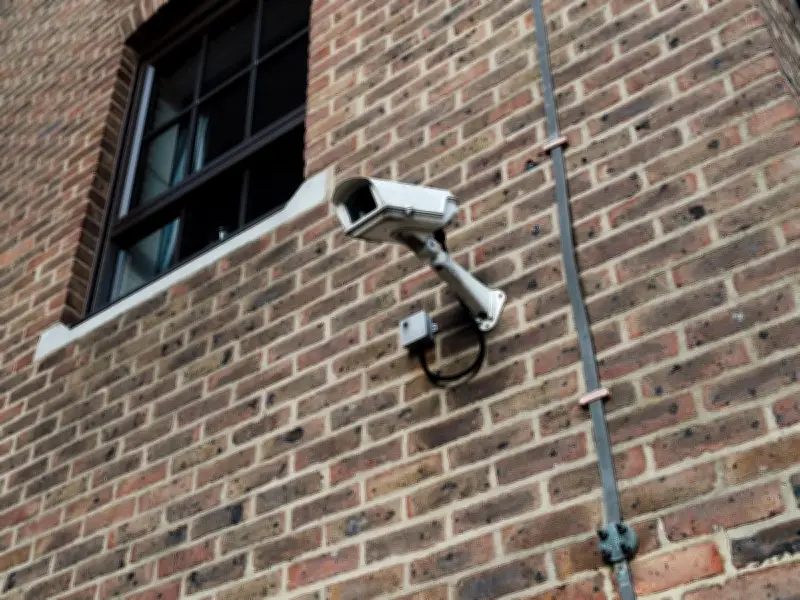
According to specialists at smart home technology brand Eufy, if a neighbour's camera captures only their own property, data protection laws do not apply. However, if the camera captures images beyond the property boundary—such as into your garden or windows—then UK GDPR and the Data Protection Act 2018 require compliance, enforced by the Information Commissioner's Office (ICO).
These rules apply whether the neighbour uses basic home monitoring devices or more advanced outdoor security cameras installed around entrances, gardens, or driveways.

Key obligations for neighbours with CCTV
When recording beyond their property, neighbours must establish a clear purpose and film only for valid, proportionate reasons, such as public safety. Filming neighbours' private spaces without justification should be avoided.
Transparency is also crucial: they should display clear signage indicating that CCTV is operational, identify who is responsible, and explain its purpose. Additionally, they should limit what they capture, record only necessary areas, and use privacy zones or masking to block neighbours' spaces.
Footage must be stored securely with passwords, access controls, and encryption. Retention periods should be established, and footage deleted when no longer required—typically within 30 days for routine monitoring.
Can your neighbour legally point CCTV at your home?
Eufy's experts said: "In the UK, neighbour CCTV must be operated responsibly and must respect privacy." According to official UK Government guidance on domestic CCTV, if a camera captures images beyond the owner's property boundary, the user must comply with UK data protection requirements and consider privacy impacts.
To stay within the law, neighbours must display visible CCTV signage, restrict access to footage, and uphold your right to privacy. If these requirements are not fulfilled, the CCTV may be unlawful, even if its purpose is security.
What can you do if your neighbour's CCTV points at your house?
If you find a neighbour's camera aimed at your property, you can initially approach them politely to discuss repositioning the angles. You are also entitled to request access to any footage that captures you or your private property, and your neighbour is legally required to respond within one month, unless an exemption applies.
Eufy also advised requesting an adjustment or masking if the camera captures areas it ought not to, and maintaining a detailed log of dates, times, and any pertinent behaviour—this can prove vital evidence should the matter escalate.
If your neighbour refuses to co-operate or continues to breach your privacy, you can file a complaint with the Information Commissioner's Office. The ICO can investigate and take appropriate action if data protection rules are not being followed.