
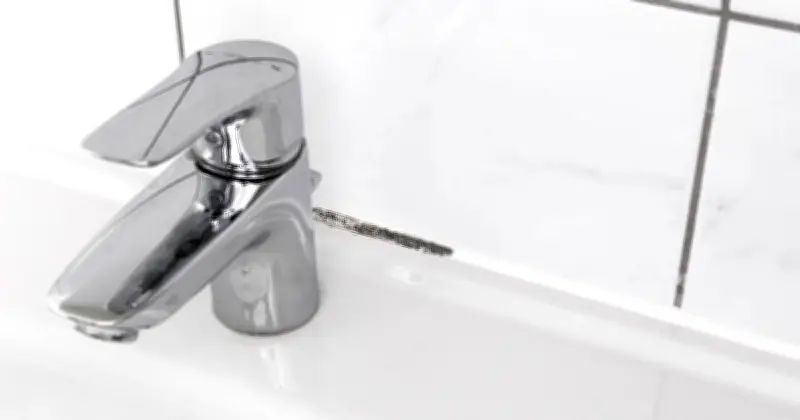
Bathroom mould thrives in warm, damp conditions, but a common natural item—houseplants—can help reduce humidity and stop it from taking hold. Adam Whittaker-Bush from Sanctuary Bathrooms recommends using certain plants as a natural defence.
Why bathrooms are prone to mould in summer
While summer often brings sunshine, it can also bring heavy rainfall, making homes vulnerable to mould. Mould doesn't only appear in winter; it needs warmth and moisture. In summer, bathrooms are especially affected because steam from showers accumulates in enclosed spaces, settling on walls and tiles. Although most water should evaporate naturally, July's humid conditions—caused by downpours after hot spells—can leave bathrooms damp for longer, especially if they are not well ventilated.
How houseplants prevent mould
Many popular houseplants are tropical varieties that naturally grow on rainforest floors, where they absorb moisture from the air. These plants are highly effective at soaking up excess steam and humidity in bathrooms, preventing mould spores from spreading—without the need for intensive cleaning.
Best plants for the bathroom
For a low-maintenance option, the snake plant is ideal: it can survive weeks without watering and needs little sunlight. These resilient plants absorb humidity effectively. The peace lily, with its elegant white blooms, prefers moist soil and thrives in bathrooms. Orchids, which need consistent warmth, also add colour while fighting mould. Ferns, aloe vera, and English ivy are other common houseplants that flourish in humid environments.




