
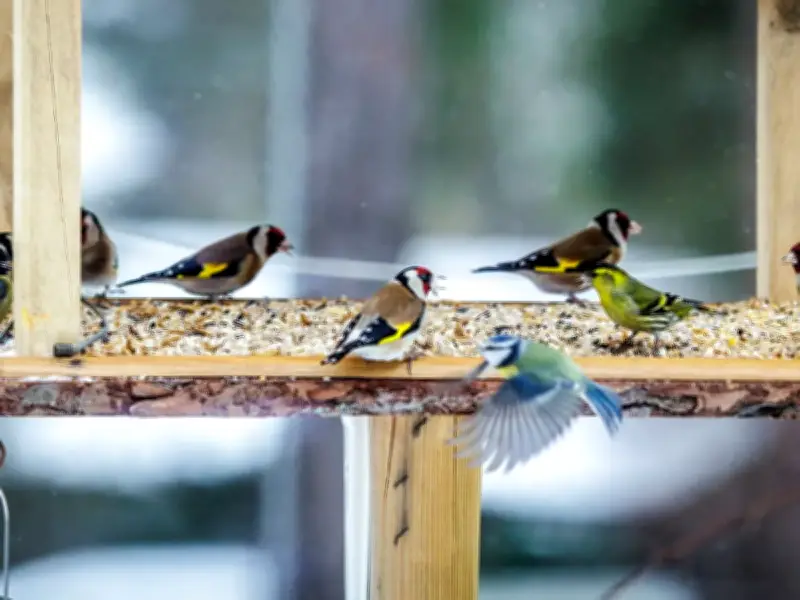
The RSPCA has issued guidance for gardeners who want to keep larger birds such as pigeons, woodpeckers, and crows from monopolising their bird feeders. The advice focuses on simple adjustments to ensure smaller species like finches, sparrows, and tits can feed undisturbed.
Tips to attract smaller birds
Wildlife expert Evie Button recommends several practical steps. Moving the feeder away from perches that larger birds can use, or choosing feeders with slippery tops, makes it harder for big birds to land. Feeders with narrow feeding holes are ideal for smaller birds, and using smaller seed mixes from November to April can discourage pigeons, which prefer larger grains.
If problems persist, Button suggests taking a break from feeding altogether and removing any edible litter that might attract big birds. Securing bins so they cannot be opened by birds is also advised.
Pigeons' ecological role
Despite being common in urban areas, pigeons play a vital role in the ecosystem. Button notes that pigeons contribute positively to green spaces when part of a balanced ecosystem, providing benefits such as seed dispersal, serving as prey for birds of prey like peregrine falcons and sparrowhawks, and enriching soil through their droppings. They also support urban biodiversity by aiding pollination and offer easy opportunities for people to engage in birdwatching.




