
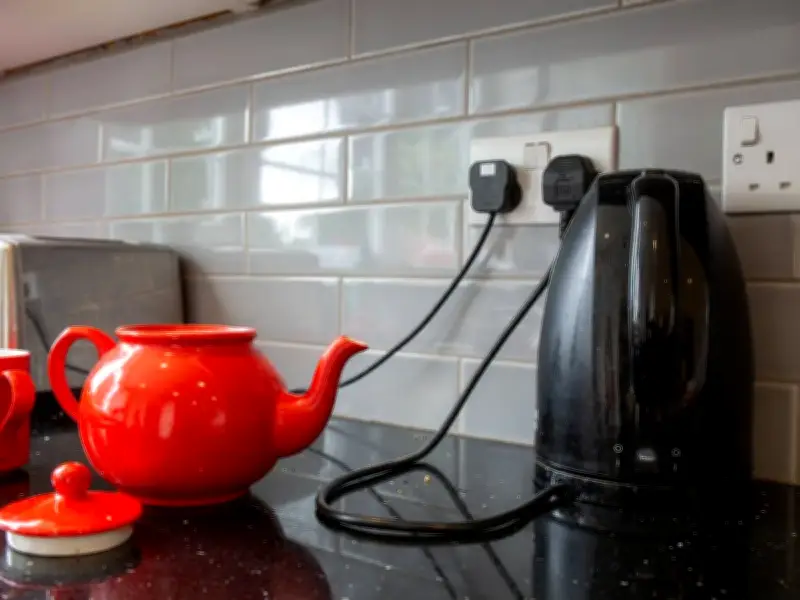
Energy specialists at Electric Radiators Direct have identified how households are inadvertently inflating electricity costs by leaving appliances plugged in while not in use. Their research shows that kettles left plugged in can add approximately £5.80 to yearly energy costs, and when all standby devices are totalled, families could be paying an extra £140 annually.
The warning comes as the energy price cap rise takes effect on Thursday, 1 October. The adjustment is expected to drive the average energy bill for households in England, Scotland and Wales paying by direct debit for gas and electricity to £1,723, an increase of £5 monthly or £60 yearly if maintained over a full 12-month period.
Costliest devices on standby
Electric Radiators Direct warns that devices left on standby can account for as much as 8% of yearly energy bills. Their research identified the costliest devices to leave on standby annually as:
- Games console: £34.58
- Gaming PC: £22.36
- Desktop computer: £19.37
- TV: £14.53
- Speaker/Digital radio: £10.14
- Oven: £8.30
- Kettle: £5.30
- Microwave: £5.07
- Air fryer: £4.15
- Slow cooker: £4.15
It was also discovered that standby devices are costing almost £12 each month. With temperatures beginning to fall across the UK, some households have already switched their heating on.
Expert advice on switching off
Stephen Hankinson from Electric Radiators Direct explained: "Putting something into standby mode is not the same as totally switching off a device or unplugging it. You're only really putting the device to sleep. This means that it will be drawing out some electricity in the background, which is where the phrase 'vampire device' comes from."
Hankinson added: "It sounds so simple, but switching your appliances off at the wall really is the best way to ensure you're not spending your hard-earned income on keeping things in standby mode. The cost of a couple of coffees might not concern you, however, £140 is a big food shop, two tanks of petrol or even a nice meal out. There really are many better ways to use this money than giving it to the energy companies."
He also offered a practical tip: "Pro tip: the one device we recommend not to turn off is the fridge freezer, unless you want to come home to spoiled goods."




