
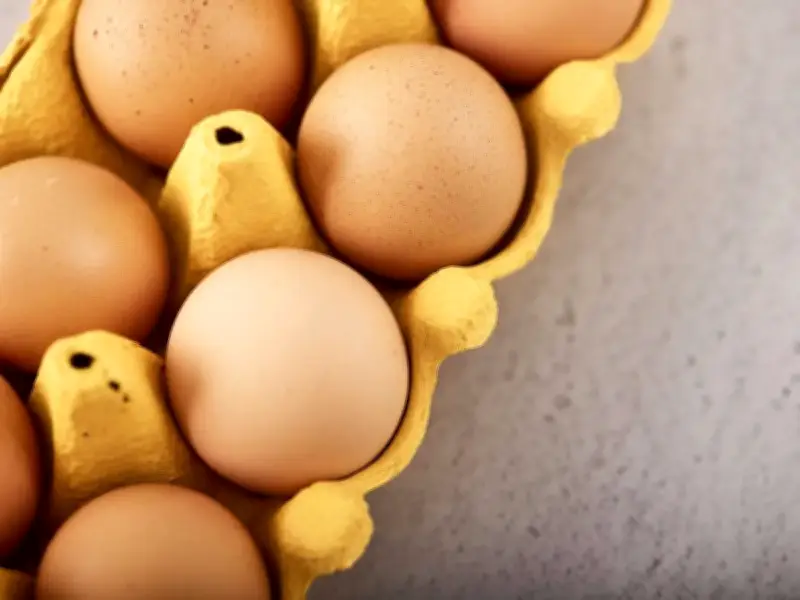
A food waste expert has weighed in on the great egg storage debate, revealing whether you should keep eggs in the fridge or at room temperature – and which everyday foods you should never refrigerate.
Research by premium biscuit manufacturer Bahlsen found that 21% of Britons are unsure where to keep their potatoes or bananas. This uncertainty means certain foods are spoiling much faster than necessary, or deteriorating in quality, because of improper storage practices.
Eggs: fridge or counter?
Food waste specialist Kate Hall claims numerous people are storing countless everyday items incorrectly, a problem amplified during warmer weather. Throughout the warmer summer period, many households cram almost everything into the refrigerator, which often isn't the optimal approach. Eggs, though, may prove an exception to this guidance.
While eggs can be kept at room temperature in the UK without any problems, the specialist maintains they will "stay fresher for longer" when refrigerated. The fridge, she contends, represents "the best spot" to maintain a constant cool temperature as weather conditions vary.
Leaving them outside the fridge "isn't likely to be a huge issue in the winter", she notes, though as temperatures shift, kitchen temperatures will probably exceed 20 degrees, making refrigeration preferable. Hall goes on to explain that eggs should ideally remain in their original packaging, as this prevents them from absorbing unwanted odours from other food stored in your fridge.
Foods to keep out of the fridge
While many fresh and store cupboard items can have their shelf life extended by refrigeration, some are actually better left at room temperature, even during a heatwave. She explains: "When it comes to storing foods in the fridge, sometimes it's the best place because it helps the food to last longer. In other cases, it's simply a great place to store the food to improve our eating experience so that we don't end up letting it go to waste."
"It's important to consider not just the food but also the heat and humidity of our kitchens, along with exposure of the food to light and how fast we're likely to consume it."
She outlined a lengthy list of foods that people should never automatically put in the fridge, which included some rather surprising items. Among the most unexpected was tomatoes, which the food waste expert warns can "dull the taste" and leave them with a "mealy" texture.
Explaining her thinking, she notes that if tomatoes are in danger of over-ripening, they can be kept in the fridge for a day or two, but should be brought back to room temperature before serving, as this is where they truly come into their own. Basil is a herb that, unlike many others, Hall suggests can suffer an "injury" when stored in cold conditions, resulting in dark patches on the leaves and visible wilting.
While it can be washed, dried and frozen, the food waste expert notes that it will lose its flavour and vibrancy if kept in the fridge. Other foods she believes are best kept out of the fridge include bread, which is thought to turn stale more quickly; whole onions, garlic, and sweet potatoes, avocados, kiwi and melon.




