The Department for Work and Pensions has provided an update on plans to reform Personal Independence Payments this year. A major review is underway that could lead to significant changes for claimants.
Review Details and Timeline
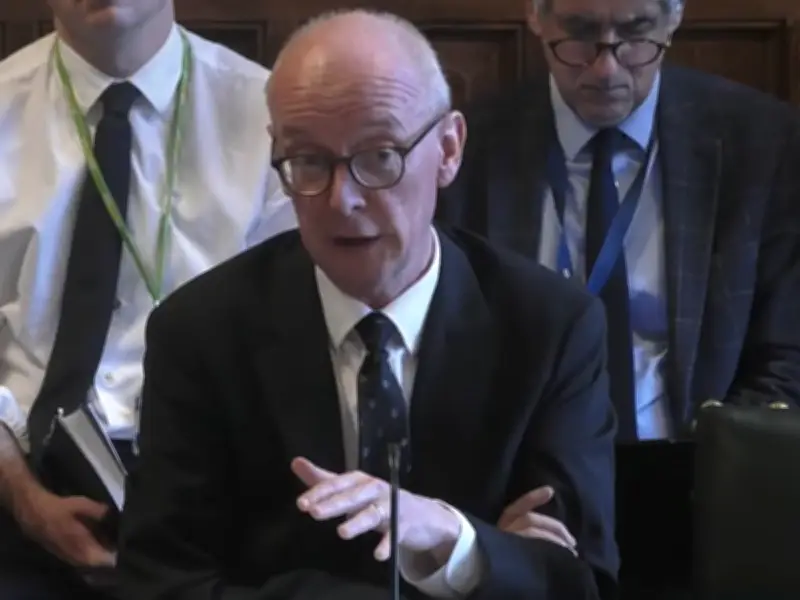
The Work and Pensions Committee questioned Secretary of State Pat McFadden on the plans. It was revealed that the number of PIP claimants has now reached 4 million. PIP is not means-tested and is for individuals aged 16 to State Pension age with long-term health conditions or disabilities affecting daily living or mobility.
The committee highlighted concerns that the PIP policy could cost an extra £3.9 billion, but noted that around half of the rise in claimants may be due to factors like the rising state pension age and the transition from legacy benefits to Universal Credit.

The Timms review, co-chaired by Sir Stephen Timms, focuses specifically on PIP. Mr. McFadden confirmed he expects an interim report before the summer recess on July 17, with a final report due by the end of the year.
Cost Considerations
Mr. McFadden clarified that the terms of reference signal not to propose a ‘big, increasing cost package’. He noted a significant increase in claims related to anxiety, depression, and neurodiverse conditions, asking reviewers to consider whether the benefit’s current design effectively addresses these modern health challenges.
Peter Bedford raised concerns about welfare spending projected to reach £400 billion by 2030, up from £314 billion. Health and disability spending is set to top £83 billion next year, exceeding defence spending of £62 billion. He questioned the absence of a welfare reform Bill in the King’s Speech.
Mr. McFadden confirmed he could order a cut to PIP spending when responding to the review’s final report. He stated there was “nothing to stop” the review from recommending reforms that would cut spending, emphasizing that the signal was not to propose a big increase in costs.
Changes Under Consideration
Face-to-Face Assessments
The rise of online video assessments during Covid has been criticized for leading to higher rates of people getting benefits. The DWP aims to increase in-person assessments from 6% to 30% for PIP and from 13% to 30% for the work capability assessment. Home visits and alternative formats will still be available for those unable to attend in person.
Time Between Reviews
The review period could be extended from three to five years, with changes likely to be announced this summer. The first assessment would be at three years, with subsequent reviews every five years.
Recording Assessments
Assessments may be recorded as standard to build trust and gather evidence for appeals. Claimants can opt out if they prefer not to be recorded.
Long-Term and Worsening Conditions
Disability bodies have questioned regular assessments for those with serious conditions unlikely to improve. The government is considering updating the 10-year review cycle and exploring whether evidence from other services could mean people with severe conditions won’t need a full PIP assessment.
Medical Evidence from NHS
The review is exploring better use of medical evidence, including digitally sharing evidence from the NHS to the DWP with consent. This could help applicants provide the right health evidence, though implementation is expected in 2027/2028.
Political Reactions
Liberal Democrat committee member John Milne noted a “strong media narrative that welfare spending is out of control” when official statistics show otherwise. He pointed out that welfare spend as a percentage of GDP is about where it was under Margaret Thatcher. Mr. Milne argued that about half of the rise in PIP claimants is due to the state pension age rise and other factors, urging the government to present a more balanced view.
However, Mr. McFadden declined to offer reassurance, stating that the proportion of GDP spent on social security had risen by about one percentage point over six or seven years, which he described as “quite significant”. He emphasized that cost is a consideration and that the steep increases in health and disability benefits are a concern.

Recent Legislative Changes
New laws have come into effect impacting people claiming some benefits, including PIP. The “Right to Try” change means employment will not automatically trigger a benefits reassessment for claimants on employment and support allowance, PIP, and the health element of universal credit in England, Wales, and Scotland.