
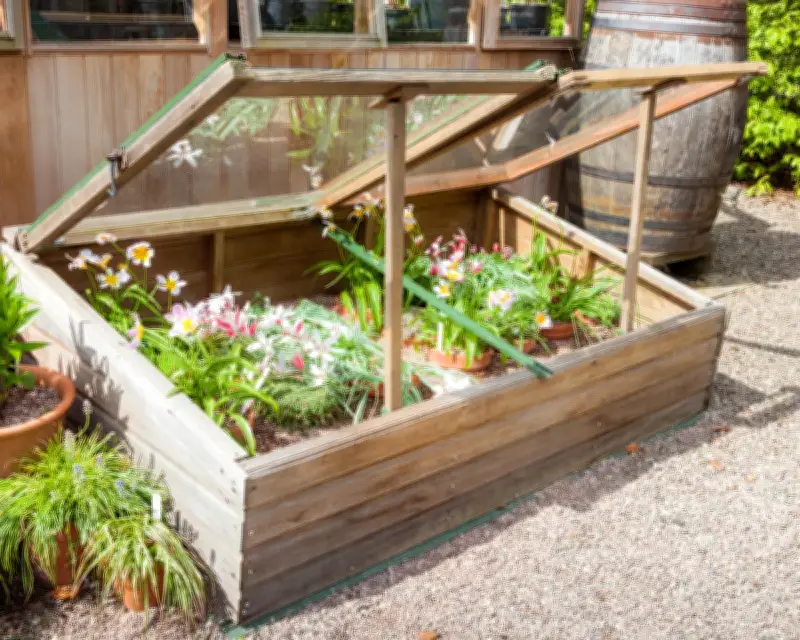
Coldframes can defend plants against animals and birds as well as the early autumn chill. While a greenhouse in the garden may be a fantasy, a coldframe offers plenty of protection for tender plants.
The Appeal of Coldframes Over Greenhouses
One gardener admits to dreaming of having a new coldframe, but the only new addition to the garden is a fox hole. The hope is that writing about it will spur an order.
Greenhouses, even small ones, are warmer as heaters can be installed, and they offer protection from ground temperature. Coldframes, however, are cold and bottomless, making them a different tool entirely.
Practical Uses for Coldframes
Coldframes are useful for protecting plants from the cooler edges of early autumnal days. They serve as a designated hardy seedling hangout zone, especially helpful for those without a greenhouse or windowsills. Placed in a sunny spot, seedlings benefit from direct sunlight while being protected from birds, cats, foxes, and the worst of the chill.
They can be filled with hardy annuals like poppies (usually in 9cm pots, as they don't love being pricked out) and cornflowers. Mostly, they are used for sweet peas, with two seeds pushed into empty loo-roll tubes or root trainers. By the spring equinox, a couple of dozen strong-rooted plants can be planted out.
Seasonal Tips and Buying Advice
Coldframes can also be used for pelargonium cuttings until it gets properly frosty outside, which is a good time to take them. Lining the frame with bubble wrap adds extra thermal protection.
For purchase, a flatpack job with plastic panels is a good start. The fancy metal ones are beautiful, but as long as the lid hinges and stays work, it's fine. For the curious on a budget, an upturned big plastic tub can be surprisingly effective.




