
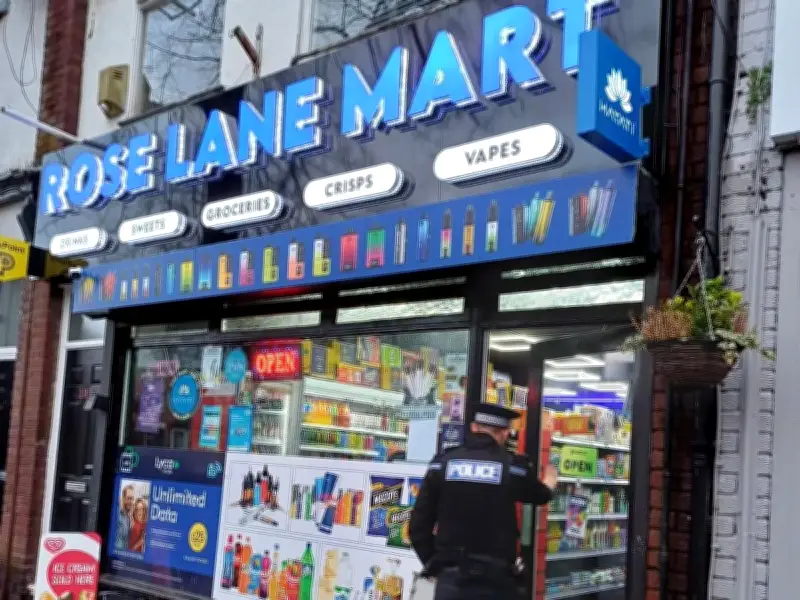
Prime Minister Andy Burnham has announced new measures to tackle the proliferation of vape shops, betting shops and rogue businesses that have "hollowed out" the nation's high streets. The changes will give local communities a greater say over what businesses can open in their town centres and strengthen police and council powers to crack down on rogue operators.
New planning rules for vape shops and gambling venues
As part of a plan to "save Britain's high streets", the Government intends to revoke the Gambling Act's "Aim to Permit" rule, which currently restricts councils' ability to refuse new betting shops and 24-hour slot machine shops even where local concerns are strong. Vape shops will also require planning permission, giving local people and councils a say over whether they open and preventing them from opening near schools. The definition of a vape shop will be tightened to stop businesses circumventing the rules by claiming to be general convenience stores or retailers.
Adult Gaming Centres (AGCs), which offer up to 24-hour access to gambling machines such as slot and fruit machines, will also require planning permission under proposals due to take effect at the start of next year.
Impact on Merseyside and across Britain
The changes come as vape shops and adult gaming centres have spread rapidly across many town and city centres. The ECHO has reported on the proliferation of so-called 'convenience stores' around Liverpool and the region, as well as council and police raids on these stores that often sell illegal and illicit items. Unlike most businesses that raise community concerns, these venues currently open without planning permission under the same rules that apply to coffee shops and clothing retailers.
Analysis by the Centre for Social Justice found that Britain has lost nearly 1,800 pubs and bars, while the number of vape and tobacco shops increased to almost 2,200 since 2016. Similar concerns have been raised about the clustering of gambling premises in local communities, particularly in more deprived areas.
Stronger enforcement and design standards
The maximum length of Closure Orders will double from six to 12 months, giving police and local authorities more time to investigate premises linked to organised crime, pursue prosecutions, and prevent rogue businesses - from illegal vape shops to dodgy barber shops - from reopening before investigations are complete.
Prime Minister Andy Burnham said: "For many people, the high streets they grew up with have been hollowed out and become unrecognisable over decades of decline. The rise of vape shops, betting shops and rogue operators have replaced the shops, services, and community spaces that people are crying out for. That’s not on. I said we would improve Britain’s high streets, and that’s exactly what we are starting to do. We're putting communities back in control and giving local people a real say over what opens on their high street. Local councils will be given the powers they need to rein in unwanted shops and bring town centres back to life. High streets are the beating heart of local communities, but for too long Westminster has stood by while they have been in decline. This government is committed to restoring our high streets and bringing back hope across Britain."
Secretary of State for Housing, Communities and Local Government Angela Rayner said: "People know when their high street isn't working for them. Whether it’s the vape shop or betting shops that's opened with no say from locals, the shopfront that's seen better days, or the sense that nobody's in control. These problems have built up over years, but this government won't leave councils and communities powerless to crackdown on everyday eyesores that blight our high streets. That's why we're giving local leaders the power to say no to what doesn't belong on their high street, and the tools to fix it themselves."
The Government said it will also work with councils to improve the appearance of high streets and help restore pride in local town centres. In too many places, poor-quality shopfronts, garish neon signs, and oversized logos have prompted complaints from local people and contributed to high streets feeling less welcoming, at a time when the rise of online shopping has already put increasing pressure on town centres. To help turn this around, the government will set clearer expectations for the design and appearance of high street shopfronts. Working with the Planning Advisory Service, it will identify the best examples of attractive, thriving town centres from across the country and provide councils with practical guidance on improving the look and feel of local high streets.




