
The new Secretary of State for Northern Ireland has been pressed to deliver “fair and balanced” legislation to deal with the legacy of the region’s troubled past.
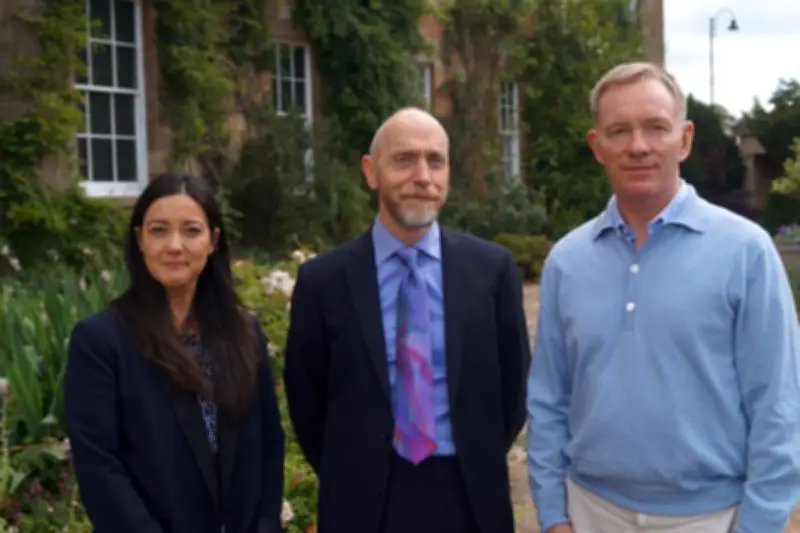
Victims and Survivors Commissioner Joe McVey said he had a constructive meeting with Sir Chris Bryant and minister Sarah Owen while work on the Troubles Bill goes on.
Last week, Sir Chris told media in Belfast they are “full steam ahead” on the Bill, which will replace the previous government’s controversial Legacy Act.
Amendments and a complex balancing act
He said they were considering amendments, adding it is a “complex balancing act” and that he felt everybody “is going to have to give a bit”.
The Troubles Bill is to see a reformed Legacy Commission, reconstituted from the Independent Commission for Reconciliation and Information Recovery (ICRIR), to investigate and fact-find for families affected by the Troubles across the UK.
It also proposes an Independent Commission on Information Retrieval (ICIR) jointly with the Irish Government, and is expected to provide effective protections for veterans, as well as enabling bereaved families, including of service personnel, to get answers about what happened to their loved ones.
Victims' diversity must be reflected
Mr McVey said he pressed for the rights, needs and experiences of all victims and survivors to be reflected, emphasising they are “not a homogeneous group”, adding the final legislation should reflect that diversity.
In a statement, he said they also discussed the need for acknowledgement, progress towards a bereavement payment scheme, the need for clarity on the future of the application deadline for the Troubles Permanent Disablement Payment Scheme, and continued investment in the services and infrastructure that support victims and survivors.
He said he welcomed the Secretary of State’s “willingness to engage with the issues affecting victims and survivors, and recognise the importance of ensuring these remain a priority for the new Government”.
“This was a positive and constructive meeting which gave us the opportunity to introduce the work of the Commission, explain our statutory role and discuss the issues that continue to have a profound impact on people’s lives,” he said.
“The Troubles Bill will shape how we deal with the legacy of the Troubles/conflict for many years to come.
“It is too important to be shaped through one narrative or one experience alone.
“Victims and survivors are not a homogeneous group. They do not share a single experience, a single perspective or a single view of how we address the past.”
Veterans are part of the community
While some have expressed concern about the potential for “preferential treatment for veterans”, Mr McVey said veterans are “part of the victim and survivor community, as are many others whose lives continue to be affected by the legacy of the Troubles/conflict”.
“Parliament now has an opportunity to ensure the final legislation reflects that diversity,” he said.
“Recent public debate has understandably focused on some of the concerns surrounding the Bill.
“Those concerns deserve to be heard. However, the Troubles Bill will affect a much wider community of victims and survivors. It is essential that every voice is heard and every experience is given equal consideration if the legislation is to command confidence.
“If we are serious about addressing the legacy of the Troubles/conflict, we cannot do so through a single lens.
“Victim-centred legislation must recognise the full range of experiences across our society and provide confidence that no victim or survivor has been overlooked.
“Confidence cannot be legislated for. It must be earned. That means delivering legislation that is fair, balanced and capable of building confidence across all communities.”
Mr McVey added: “The Commission’s statutory responsibility is not to amplify one voice over another.
“It is to ensure that no victim or survivor becomes invisible as Parliament considers legislation that will shape how society deals with the past.
“We will continue to work constructively with the Government, Parliament and all those involved in the legacy process to ensure the rights, voices and experiences of all victims and survivors are reflected in legislation, policy and services.”




