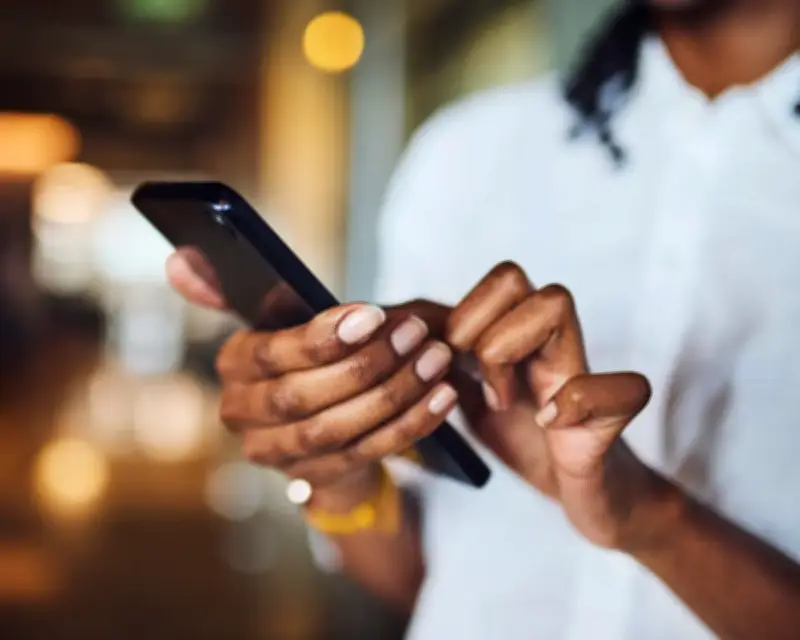
The BBC has permanently removed an article from its website that included a claim linking a trend for bare nails to "white supremacist standards of beauty", after editors concluded it did not meet the corporation's editorial standards.
The article, first published on 27 September, examined an apparent "viral craze" for bare rather than decorated nails, saying the trend had been flooding social media and fashion catwalks. It also covered criticisms of the trend, which suggested it could "stigmatise bold manicures", and noted that nail art had its roots in black, Latino and Asian communities.
Quotes in the article
In an early section, the article quoted beauty journalist Kristina Rodulfo as saying: "That trend really promotes blankness and this kind of sameness and erasure of culture and identity that is so important to black and brown communities."
Rodulfo was also quoted later as saying: "The examples are almost always white women or celebrities … [and] they'll often conflate class and taste with that bareness." The article also quoted her as saying: "They are often called elegant or tasteful and these are often usually euphemisms that perpetuate white supremacist standards of beauty."
Removal and review
The BBC initially removed the article on Tuesday after it attracted criticism from media outlets in the US, particularly on the political right, stating it had been removed "pending an editorial review". The corporation has since confirmed the article was permanently removed, with bosses concluding there was no challenge in the piece to the quotes linking bare nails to white supremacy, or any context that such opinions would be seen as extreme.
A Wall Street Journal piece described the BBC article as "embarrassingly retrograde – displaying outdated intellectual fashion – in its attempt to locate offences against social justice in the decisions of individual women whether of not to paint their nails." It added: "When you see someone dressed for a costume party, you notice how conspicuous that person is. So it is with the BBC's attempt to gin up outrage over the semiotics of nail polish."
The New York Post, part of Rupert Murdoch's media stable, also ran an article criticising the piece, as did Fox News. An opinion piece in the Telegraph also attacked it, with feature writer Celia Walden writing: "I've had some rude awakenings in my time, but being told I'm a white supremacist before I've had my coffee? That's got to be up there."
BBC statement
On its corrections and clarifications register, the BBC stated: "This article examined the trend of bare nails and what might be motivating it, hearing from a range of contributors as well as looking at the cultural significance of manicures. It was removed on 29 September pending an editorial review."
"Following this review the article was permanently removed on the same day because it reported criticism of the bare nails trend without sufficient context or challenge and so did not meet our editorial standards."
The BBC has not revealed who made the decision to remove the article. However, the corporation's deputy director general, Rhodri Talfan Davies, was appointed to the new role in order to catch potential editorial rows that plagued the leadership of the former director general, Tim Davie. Matt Brittin, who replaced Davie, was also keen to have a deputy for support on editorial matters, given his lack of television and editorial experience.
The BBC is still the subject of legal action from Donald Trump over the way an episode of Panorama edited together two parts of a Trump speech. While the BBC apologised for the edit, it has always maintained the documentary did not defame the president.