
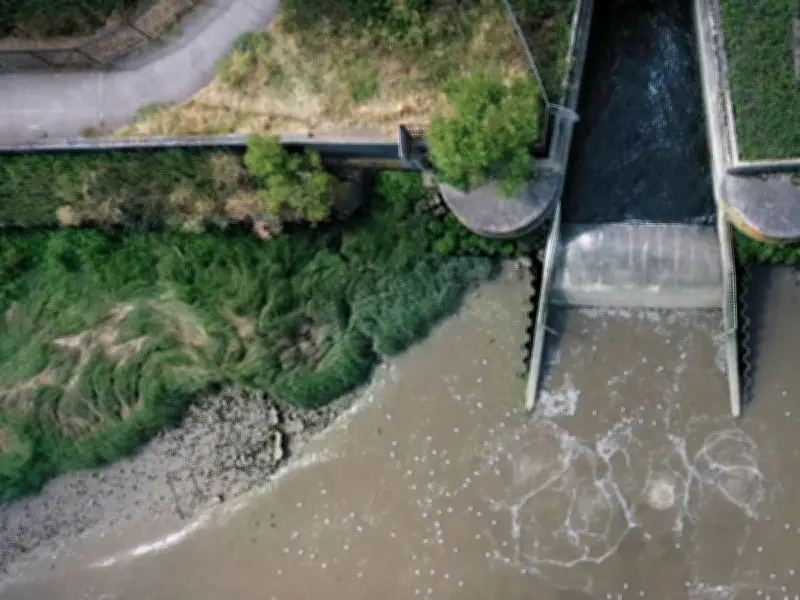
Around 85% of England's rivers have failed a water quality measure, according to recent Environment Agency tests. The findings show that river quality levels have not improved since 2019, despite claims of vast investment by the water industry.
Phosphates Found in Nearly Half of Rivers
The tests found phosphates, which can come from raw sewage and farmland, in just over 48% of rivers tested. Overall, only 14.3% of England's surface waters achieved 'good' ecological status, with 65.4% classed as moderate, 17% poor, 3.1% bad, and 0.1% high.
The results come amid public anger over sewage pumping into rivers and bathing areas, while households face soaring bills. Additionally, hosepipe bans have been imposed across large areas, blamed on drought but with criticism that firms have not invested enough in tackling leaks.
Government and Agency Response
Environment Secretary Angela Eagle said: "Our local communities deserve to have clean local rivers and lakes. These results underline the need for wholesale change across the water sector." She added that the government has introduced legislation to hold water companies to account and is focused on long-term reforms.
Alan Lovell, chair of the Environment Agency, said: "The latest Water Environment (WFD) Classification help us understand where water bodies are improving and where further action is needed. The results show that too many water bodies are still not achieving the standards we want to see." He highlighted the agency's transformation of enforcement work with better data and a larger workforce.
The agency noted that results were impacted by the 'one-out, all-out' rule, where a single failing element can cause an entire water body to fail. The current figure falls far short of the 75% target for good ecological status by 2027.




