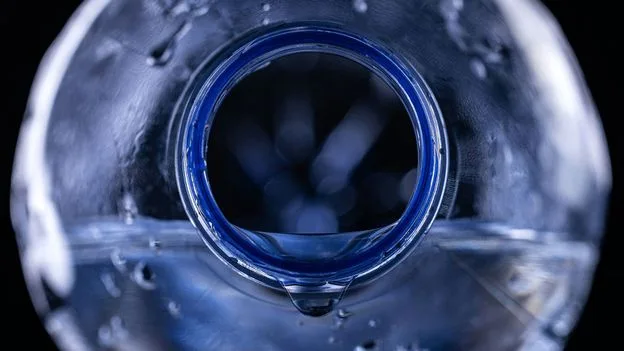
A new study has revealed that bottled water contains far more tiny plastic particles than previously thought, with an average litre holding almost a quarter of a million nanoplastic fragments. Researchers at Columbia and Rutgers universities in the US analysed five samples of three common bottled water brands and found nanoplastic levels ranging from 110,000 to 400,000 per litre, averaging around 240,000. Much of the plastic appears to originate from the bottle itself, and it remains unclear whether ingesting these particles poses a serious health risk.
Microplastics have been found across the planet, from Antarctic sea ice to the deepest ocean trenches and drinking water worldwide. A major review by the World Health Organization in 2019 and 2020 concluded there was insufficient research to determine if consuming or inhaling microplastics posed a risk to human health, but warned that the smallest fragments, measuring less than 10 micrometres, are likely to be taken up biologically. The WHO has called for a reduction in plastic pollution to limit human exposure.
Plastics are also widespread in food. Sewage sludge used as crop fertiliser has contaminated nearly 20 million acres of US farmland with microplastics and PFAS, according to a 2022 analysis. A study from Cardiff University found that 86 trillion to 710 trillion microplastic particles contaminate European farmland each year. Some plants take up more plastics than others; plastics tend to accumulate in roots, meaning leafy vegetables like lettuce may have lower concentrations than carrots or radishes. Microplastics have been found in the human bloodstream, though health effects remain unclear.
Alternatives to single-use plastics may not solve the problem. Research by the University of Plymouth found that bags labelled as 'biodegradable' can take years to disintegrate and often break into smaller pieces rather than decomposing fully. Tap water contains lower levels of microplastics than bottled water, but switching to glass bottles has a higher environmental footprint due to the mining of silica, which causes land degradation and biodiversity loss. Studies have also found microplastics in tap water, sea salt, and even beer.