
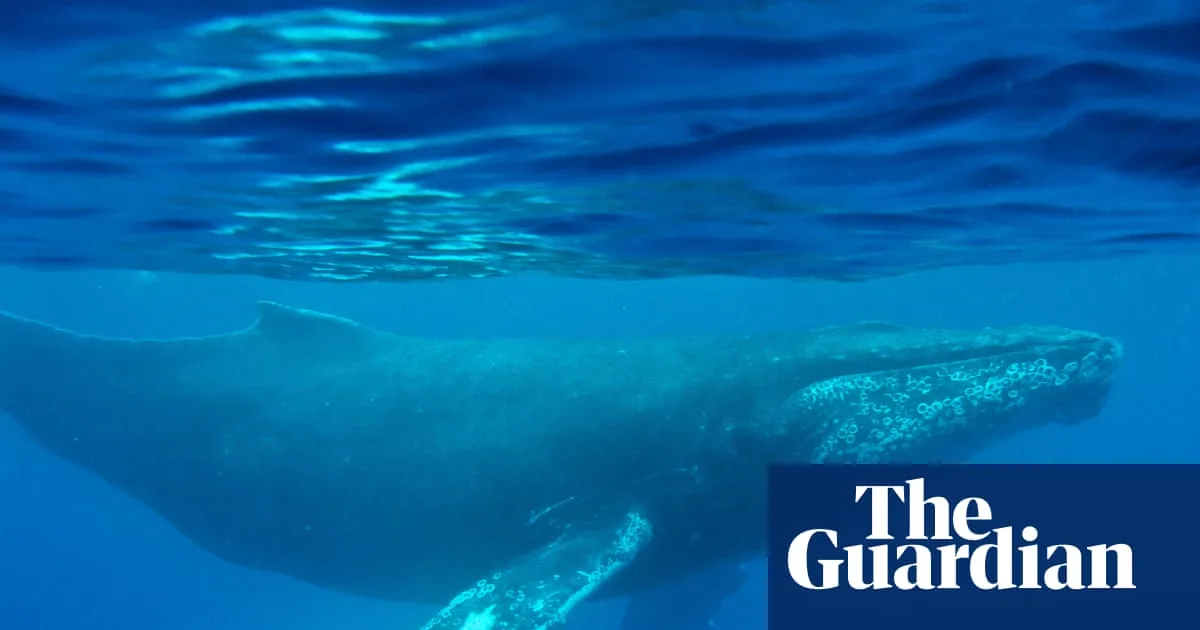
Researchers have uncovered what is believed to be the oldest known recording of a humpback whale song, captured in 1949 near Bermuda. The recording, preserved on a plastic disc, offers a rare glimpse into the ocean soundscape of the late 1940s, which was far quieter than today's noisy seas.
The song was recorded by scientists from the Woods Hole Oceanographic Institution in Massachusetts, who were testing sonar systems and conducting acoustic experiments with the US Office of Naval Research. At the time, the researchers did not recognise the sounds as whale song but decided to record them out of curiosity.
Peter Tyack, a marine bioacoustician at Woods Hole, said the recording provides a unique baseline for understanding how human-made noise, such as shipping, has changed whale communication. The discovery predates Roger Payne's famous identification of whale song by nearly 20 years.
The disc was found during a digitisation project last year. Unlike most recordings of the era, which were on now-deteriorated tape, this one was made on a Gray Audograph dictation machine. Ashley Jester, director of research data and library services at Woods Hole, located the well-preserved disc.
Humpback whales, which can weigh over 24,000kg, are known for their complex vocalisations that sound ethereal or mournful. The sounds are vital for their socialising, navigation and feeding. Hansen Johnson, a research scientist at the New England Aquarium, said the recording is 'beautiful to listen to' and inspires curiosity about ocean life.




