
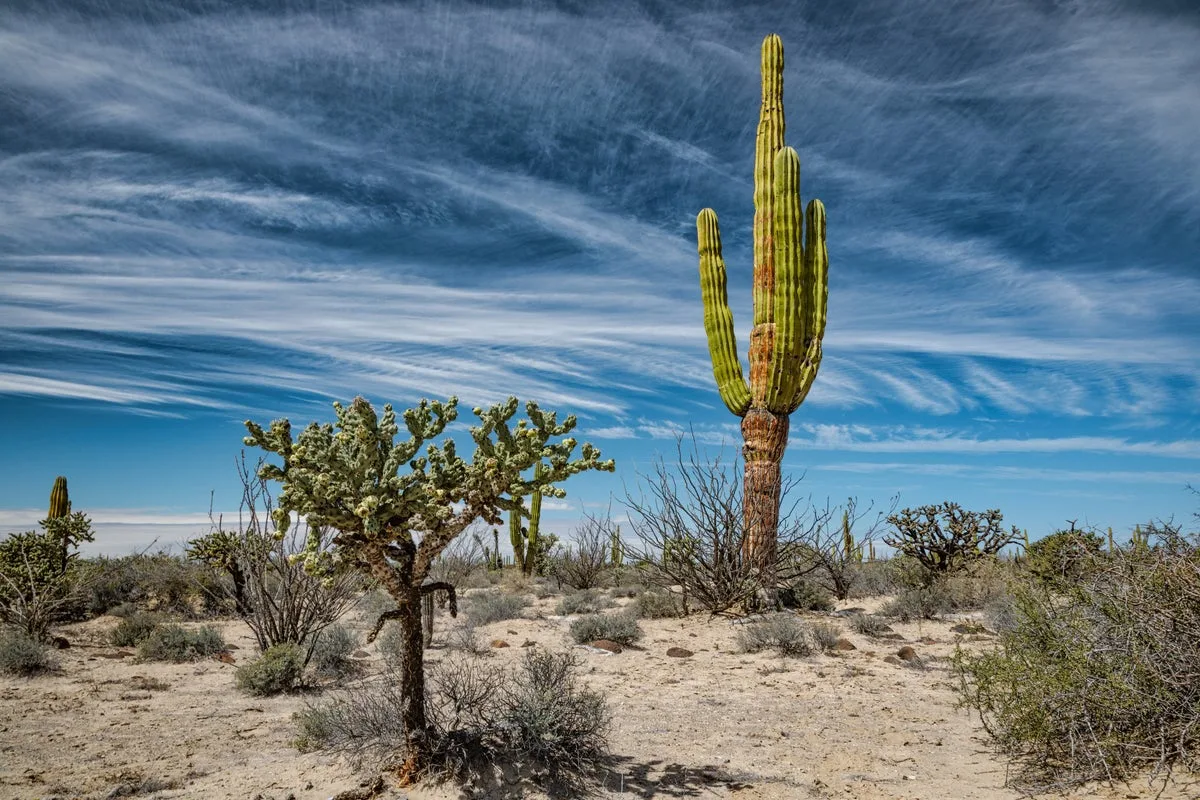
For over a century, scientists have believed that flowers specialised to particular pollinators or environments drive the evolution of new species. A new study of cactus flowers challenges this idea, potentially reshaping how researchers understand biodiversity creation across the plant world.
The cactus family is one of the fastest-evolving plant groups, with around 1,850 species arising in the past 20–35 million years. Scientists previously linked this diversity to pollinator specialisation or the expansion of deserts. However, a 2024 study sampling many more species found that neither aridity nor pollination strongly explained cactus diversity, contradicting a long-standing idea dating back to Charles Darwin.
Researchers compiled the Cactus Ecological Database (CactEcoDB) and analysed flower length data for over 750 cactus species, revealing an extraordinary range from two millimetres to dinner-plate size. When they examined the cactus family tree, they discovered that the speed at which flower size evolves drives the formation of new species, rather than any particular flower type or pollinator.
This finding suggests that a plant's capacity for evolutionary change matters more than specific adaptations. Nearly a third of cactus species are threatened with extinction, and the study implies that protecting biodiversity involves preserving evolutionary potential, not just existing species.




