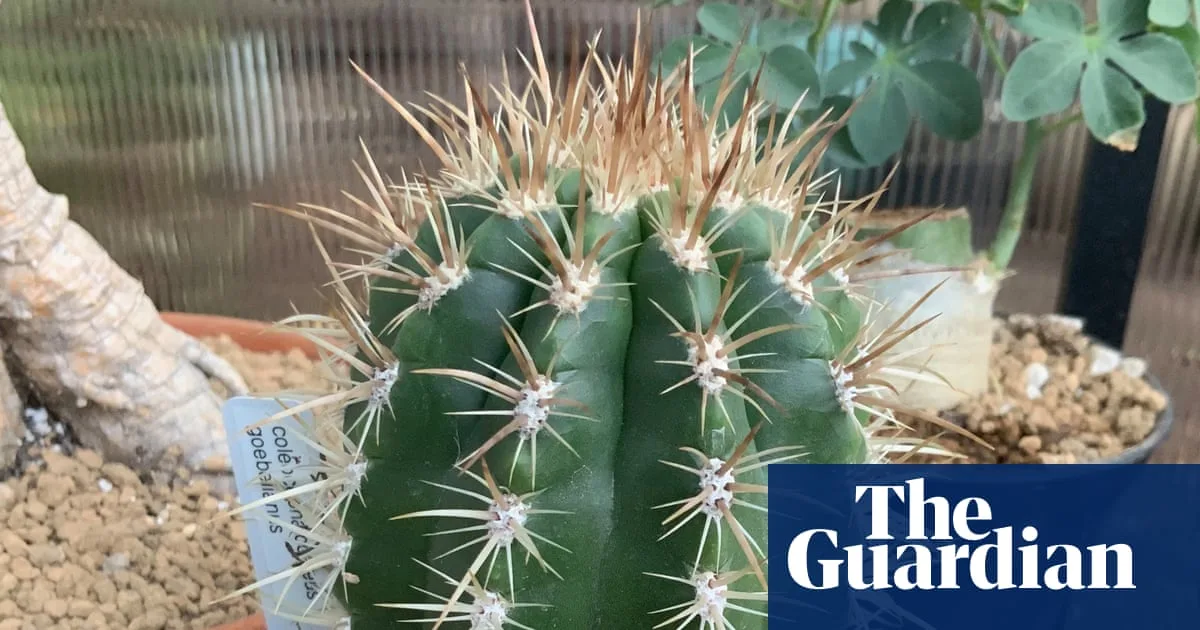
In eastern Brazil, the cactus Coleocephalocereus goebelianus towers above surrounding plants, making its beacon even clearer. While many flowers lure bats into pollinating them with strong odours, this cactus tempts bats by turning into an acoustic beacon.
Bats navigate and find objects in the dark using echolocation, emitting high-pitched squeaks and listening for echoes. Many cacti in the region bloom at night and are pollinated by bats, but some lack scent. Instead, Coleocephalocereus goebelianus grows a fuzzy, hat-like structure called a cephalium near its flowers.
The cephalium helps focus the bats' ultrasound towards the flower, and its dense structure may reduce background noise, making echolocation clearer. The cactus's height above surrounding plants further enhances its acoustic properties.
Similarly, some carnivorous pitcher plants use curved, dish-like openings around their traps to reflect bat calls, helping bats find them. Bats roost inside the pitchers, and their dung fertilises the plants.