
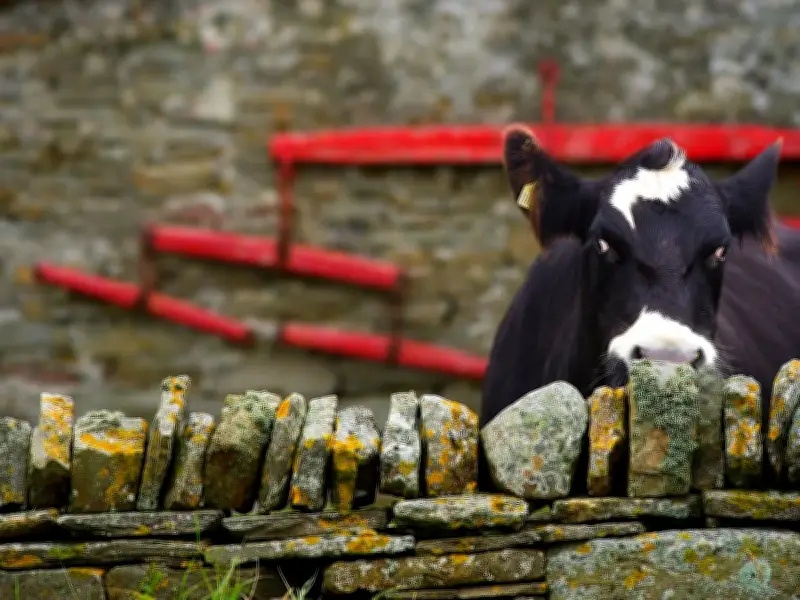
Bluetongue has been detected on a second farm in south-west Scotland, the chief veterinary officer has confirmed. The disease, which affects ruminant livestock like sheep and cows, was first detected in a farm in Scotland on August 8. A single sheep was affected.
Second Case Confirmed
A second case of bluetongue serotype 3 (BTV-3) was confirmed in two sheep on a different farm on Wednesday. The Scottish Government confirmed both farms have been put under restrictions, and all affected animals have been euthanised.
Official Statement
Chief veterinary officer Sheila Voas said: “Bluetongue has been detected on a second farm in south-west Scotland involving two sheep.
“Both farms are under restriction while investigations, including testing other susceptible animals, are ongoing.
“Vaccination remains the best way of preventing disease in animals and I encourage all farmers to discuss this with their vets.”
Impact and Reporting
Bluetongue only affects animals, and does not affect humans or food safety. Symptoms include nasal discharge, redness and swelling of the lips, nose and muzzle, lameness or reluctance to stand, decreased milk production and diarrhoeas in cattle.
The disease is also notifiable – meaning any suspected cases in Scotland are legally required to be reported to the Animal and Plant Health Agency.




