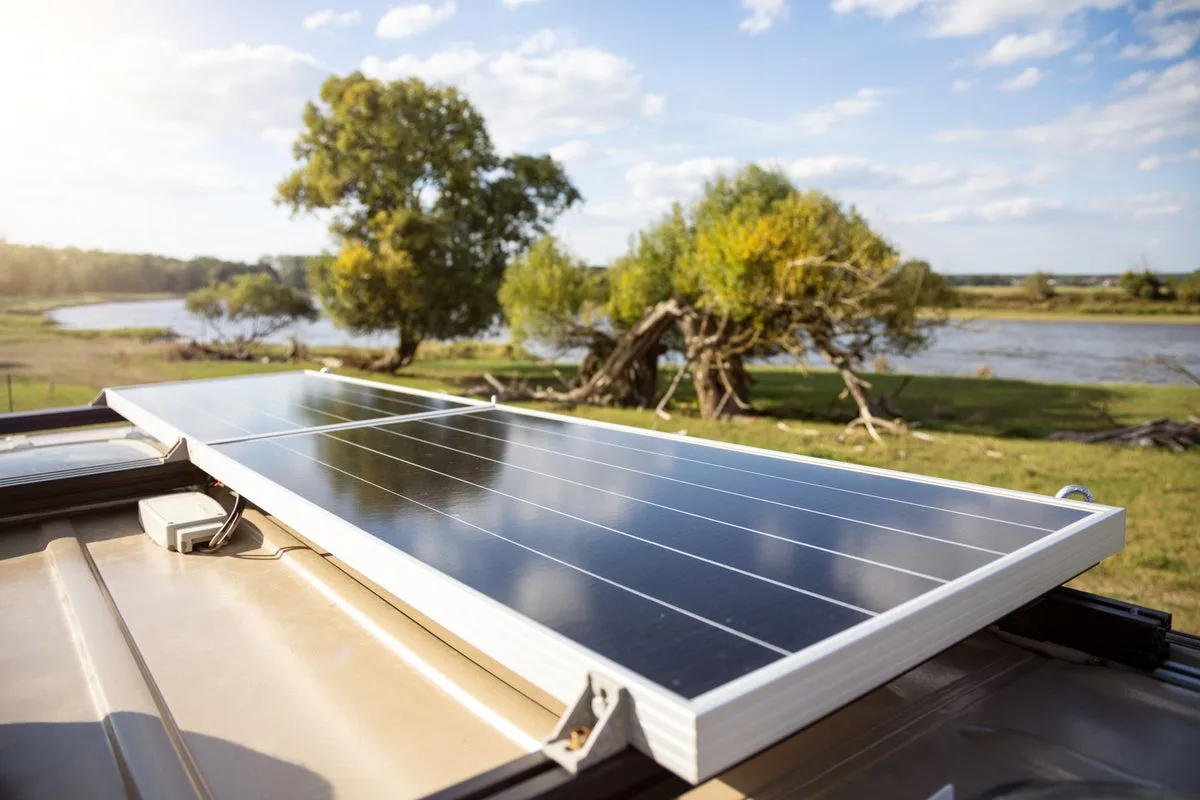
As parts of the UK face another spell of extreme heat, many solar panel owners will be monitoring their generation. While hot, bright weather can seem ideal, heat itself does not improve panel performance. In fact, very high temperatures can slightly reduce the efficiency of solar cells, though the drop is usually modest for most UK households.
Solar panels need sunlight, not heat. According to trade body Solar Energy UK, panels are designed to operate from around -40C to 85C but perform best when cells are closer to 25C or below. Strong sunlight increases electrical current, but as panels warm, voltage drops, reducing overall power output slightly.
The impact of heat is measured by a panel's temperature coefficient, typically indicating a loss of 0.34 to 0.5 percentage points per degree above 25C. On Britain's hottest day, 40.3C on 19 July 2022, a good modern panel would operate at roughly 5% below its optimum rating. Even at 85C, losses are around 20% compared to laboratory conditions, but this is a momentary penalty, not an annual reduction.
Generation during a heatwave still depends on cloud cover, roof orientation, and local conditions. A hot but hazy day may produce less electricity than a cooler, clear one. For homeowners, the key financial consideration is annual generation versus upfront costs, which can be reduced through grants and 0% VAT.