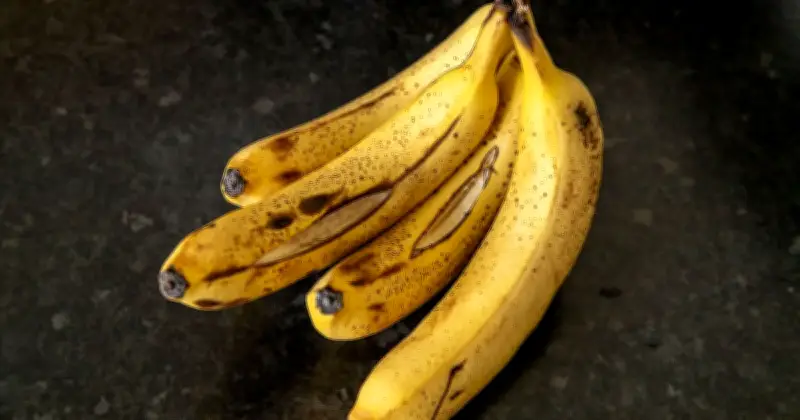
A UK-based company is reengineering the banana to fight back against brown spots, and if approved by the Food Standards Agency, its work could revolutionise fruit bowls and consign mushy brown bananas to the compost bin of history.
Tropic Biosciences, an agricultural biotech firm based in Norfolk, is working on the "world first" non-browning banana variety using gene editing technology. It has already secured regulatory approval in Japan and Brazil and hopes to take its tech global.
How the non-browning banana works
The company says: "At Tropic, we use advanced gene editing technologies, including CRISPR, to switch off or 'knock out' specific genes in tropical crops to develop valuable traits such as disease resistance and improved quality."
"Tropic's non-browning banana introduces a game-changing attribute: it stays fresh, yellow, and appetising long after peeling and slicing, dramatically reducing spoilage across retail, food service, and supply chains."
Global approvals and market impact
Gilad Gershon, CEO, said: "These approvals represent a major step forward in bringing innovative, waste-reducing produce to consumers worldwide. Japan and Brazil each play critical roles in the global fruit market, and these decisions reflect growing international confidence in new agricultural technologies designed for modern supply chains."
The firm adds: "The approvals in Japan and Brazil add to Tropic's global footprint, the company now have regulatory determinations, notifications or exemptions for its banana products in eleven countries – including the USA, Canada and the Philippines. These key regions represent more than 70% of the production market and more than 30% of the consumption market."
Reducing waste and environmental footprint
"Launched commercially in 2025, Tropic's non-browning banana was the world's first new banana variety in more than 75 years, delivering the same taste and texture consumers expect while remaining fresh for longer after cutting. By reducing spoilage and extending usability, the variety supports new retail opportunities, more efficient distribution and lowers the environmental footprint of banana consumption."
The Department for Environment, Food and Rural Affairs (DEFRA) says banana browning is responsible for "around 20% cent of banana yield losses", while up to 1.4 million potentially edible bananas are thrown out each year in Britain.