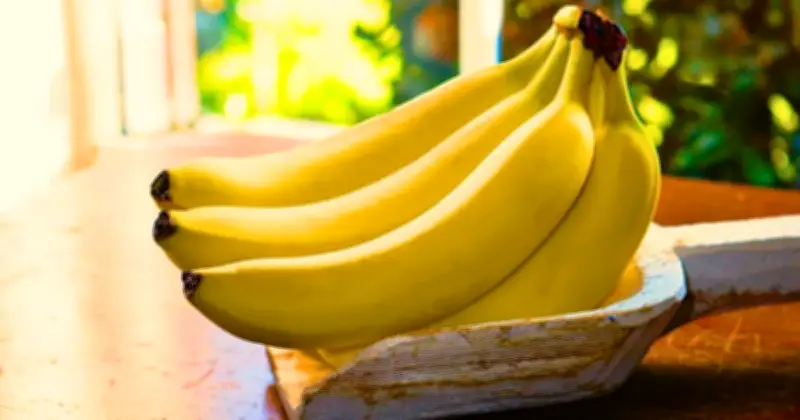
Storing bananas in a sealed glass jar in the fridge keeps them fresh and yellow for 16 days, according to food storage expert Amy Cross. The simple kitchen item prevents the fruit from turning brown and mushy, as demonstrated in an experiment shared on Instagram.
Why bananas spoil quickly
Bananas have a short shelf life because most people store them incorrectly. They are highly sensitive to ethylene gas, a plant hormone released as fruit ripens. When bananas sit next to other ethylene-producing fruits like apples or pears in a fruit bowl, the gas concentration builds up, causing everything nearby to spoil faster.
Moving bananas away from other fruits helps, but placing them in a glass jar in the fridge extends their freshness further, claims Amy Cross, who runs the Instagram page @thecrosslegacy.
The 16-day jar experiment
In her experiment, Cross purchased three bananas. She kept two on the kitchen worktop and cut the third in half, placing it in a glass jar with a metal lid in the fridge. After 16 days, the bananas left out were covered in brown and black spots, while the cut-up banana looked completely fresh with bright yellow skin.
Cross said, "A jar keeps bananas fresh for 16 days!" On her blog, she added, "If you put a banana in a glass jar with a metal lid, it will stay fresh in the fridge. I used a wide-mouth pint jar. The best results are when you leave the peel on the banana and place the entire half of the banana in the jar."
How the hack works
A sealed glass jar provides the perfect environment for preserving banana freshness when the peel remains unbroken. Bananas contain enzymes that activate on contact with oxygen, triggering the ripening process. Sealing a sliced banana in a glass jar eliminates oxygen exposure, stopping this reaction and preventing the fruit from becoming overly soft or developing brown spots. Leaving the peels on also reduces how much flesh is exposed to air.
Keeping bananas in halves rather than cutting them into smaller pieces extends shelf life significantly, as smaller chunks increase the surface area exposed to oxygen, speeding up the loss of freshness.