
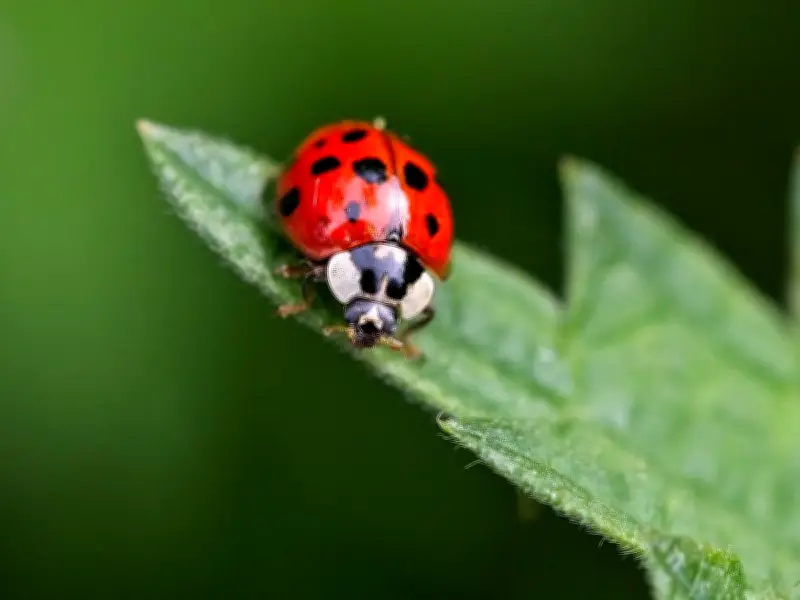
"Ladybirds are one of the best natural helpers you can have in your garden," says Tessa Cobley, plant pest specialist and owner of Ladybird Plantcare. "They feed on many common garden pests, helping to create a healthier balance outdoors and reducing the need for intervention like chemical control."
While many gardeners become anxious upon spotting insects among their plants, they should recognise that these creatures are an essential part of a thriving outdoor space.
A powerful appetite for pests
A single adult ladybird can consume dozens of aphids daily, while their young larvae possess an even more voracious appetite. Larvae can devour hundreds of aphids before developing into their adult form, making ladybirds among the most potent natural defences against sap-sucking pests.
How to attract ladybirds
If your garden lacks these tiny allies, there are steps to draw them in. Tessa says gardeners should resist the urge to eliminate every pest they encounter. "Ladybirds need a reliable food source, so don't be too quick to remove every pest you see," Tessa advises. "Leaving a small number of aphids on less valuable plants can encourage ladybirds to visit and settle in your garden."
Planting their preferred blooms can also help. Ladybirds are particularly drawn to flat-topped, umbrella-shaped plants including dill, fennel, coriander, yarrow, angelica and sweet alyssum, as well as vivid yellow and orange flowers such as marigolds and calendula.
Making your garden a haven
Ladybirds can also be purchased from specialist retailers, though there is no certainty they will remain if conditions are not suitable. "Like all wildlife, ladybirds will stay where they have access to food, shelter and a safe environment. By making your garden a welcoming place for them, you'll be rewarded with one of nature's most helpful little garden visitors."
There are 47 species of ladybirds in the UK, differing in colour and spot count, with non-native varieties also occasionally spotted. All are regarded as broadly beneficial and prey on the same garden pests, regardless of species.




